More Than Just Play: Unlocking Your Child’s Potential with Gross Motor Skills
Published: 14 Nov 2025
Have you ever just sat back and watched your child play? Really watched them? The sheer determination as they try to climb the playground ladder. The focused wobble as they balance on a curb. The uninhibited joy of just running, arms out, across an open field.
It’s easy to see this as just “kids being kids,” burning off energy. And it is! But what if I told you that all of this running, jumping, climbing, and throwing is some of the most important work your child will ever do?
It might sound dramatic, but it’s true. These big movements, known as gross motor skills, are so much more than just physical exercise. They are the foundation upon which your child will build their confidence, their friendships, and even their ability to sit and learn in a classroom.
As a fellow traveler on this parenting journey, I’ve spent a lot of time trying to understand how all the pieces of childhood fit together. And what I’ve learned is that gross motor development is a powerful key that unlocks potential in nearly every other area. So, let’s explore why these skills are so incredibly important and how we can cheer on our little movers every step of the way.
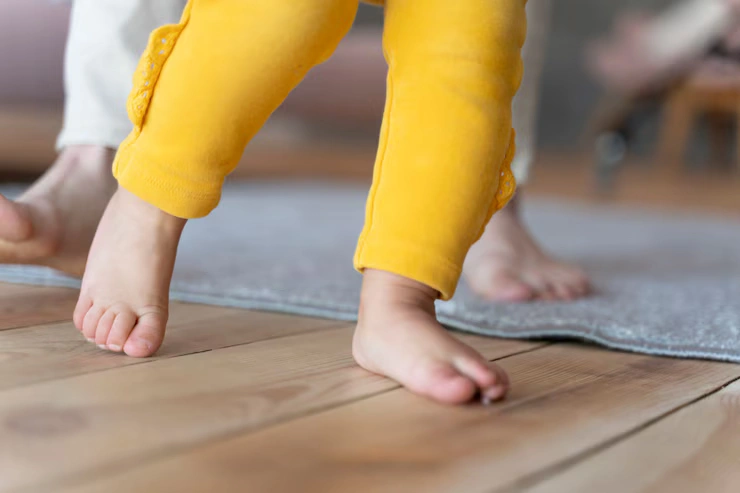
So, What Exactly Are Gross Motor Skills?
Let’s start with a simple definition. Gross motor skills involve the large muscles in the arms, legs, and torso to make whole-body movements. Think of the big, powerful actions:
- Crawling
- Walking and running
- Jumping and hopping
- Climbing
- Throwing and catching a ball
- Riding a tricycle or scooter
These are fundamental abilities and a core part of the five main areas of child development. They are the counterpart to the small, precise movements known as fine motor skills, like picking up a cheerio or holding a crayon. Both are essential, but gross motor skills often develop first, paving the way for more refined abilities later on.
The Real Reason Gross Motor Skills Are So Important
Okay, so we know what they are. But why do they matter so much? It’s not just about raising a future athlete. The benefits are deeply woven into your child’s total well-being.
1. They Literally Build a Smarter Brain
This is the part that truly fascinates me. We often think of learning as a quiet, seated activity. But for young children, movement is a critical ingredient for brain development.
When a child navigates an obstacle course or figures out how to climb up the slide, their brain is firing on all cylinders. They are problem-solving, assessing risk, learning cause and effect, and developing spatial awareness.
This physical exploration creates and strengthens neural pathways. It’s like movement is the electrician, wiring the brain for higher-level thinking. This connection is why so many fun games that boost a toddler’s cognitive development often have a physical component.
2. They Are a Superhighway to Confidence
Think about the look on a toddler’s face when they finally walk on their own. It’s pure, undiluted pride. Or a preschooler who exclaims, “Look at me!” from the top of the jungle gym.
Mastering a new physical skill gives a child a profound sense of “I can do it.” This physical competence translates directly into emotional confidence and a stronger sense of self. Each successful jump, climb, and catch is a little deposit in their self-esteem bank. This newfound bravery encourages them to try other new things, whether it’s tasting a new food or speaking up in a group.
3. Movement Is the Language of Friendship
For young children, social interaction is rarely a sit-down conversation. It happens on the playground, in the backyard, and during active play.
Games like tag, follow the leader, or kicking a ball back and forth are all built on gross motor skills. A child who feels physically capable is more likely to jump in and join the fun. This participation is how they learn to take turns, negotiate rules, share, and navigate the complex social world of their peers. Strong gross motor skills give them the ticket to enter that world of play, which is a crucial step in learning how to teach empathy and social connection.
4. They Prepare the Body and Mind for School
This connection is often overlooked. How can running around a park possibly help a child sit still in kindergarten?
It turns out, there’s a huge link.
- Core Strength: Developing the large muscles in the torso is essential for sitting upright in a chair for extended periods. A child with a weak core will fidget, slump, and struggle to focus because their body is working so hard just to stay upright.
- Body Awareness: Knowing where your body is in space (proprioception) helps a child navigate a crowded classroom without bumping into desks or friends.
- Stamina: The physical endurance built during active play helps them manage the long school day.
- Stress Release: And perhaps most importantly, physical activity is a primary way children regulate their emotions and release pent-up energy and stress. A child who gets enough movement is often a child who is more ready to learn.
A Lesson from an Expert: The Power of Movement
While I was diving into this topic, I came across the work of Dr. Gill Connell, an internationally recognized expert in child development and co-author of “A Moving Child Is a Learning Child.” Her perspective completely solidified this for me.
Dr. Connell explains that movement is the “first language” of the brain. She describes a “power of movement” that essentially jumpstarts learning. Her core idea is that before the brain can handle complex concepts like letters and numbers, it needs to be organized by physical experiences.
By balancing, climbing, and crawling, a child is building the neurological foundation necessary for everything that comes later. She argues that we shouldn’t see physical play as a “break from learning,” but as learning itself. Learning this made me look at a chaotic trip to the playground in a whole new light. It’s not chaos; it’s construction. Brain construction.
Simple Ways to Encourage Gross Motor Skills at Any Age
The best part is that you don’t need fancy equipment or structured classes. Supporting this development is all about creating opportunities for free, joyful movement.
For Infants (0-1 year)
- Tummy Time: This is the ultimate starting point. It builds neck, shoulder, and core strength, which is the foundation for rolling, sitting, and crawling.
- Reaching and Grabbing: Place interesting toys just out of reach to encourage them to stretch, roll, and eventually scoot toward an object.
- Assisted Standing and Bouncing: Once they have good head control, holding them in a standing position on your lap lets them feel the pressure on their feet and build leg strength.
For Toddlers (1-3 years)
- Playground Adventures: Slides, swings, and small climbing structures are a toddler’s best friend. Let them explore safely.
- Backyard Fun: Kicking, rolling, and throwing soft, large balls. Blowing bubbles and letting them chase and pop them is a fantastic game.
- Indoor Obstacle Courses: Use pillows to crawl over, a line of tape to balance on, and a tunnel (or blanket over two chairs) to crawl through.
- Dance Parties: Turn on some music and just move! It’s a wonderful way to explore different movements and release energy.
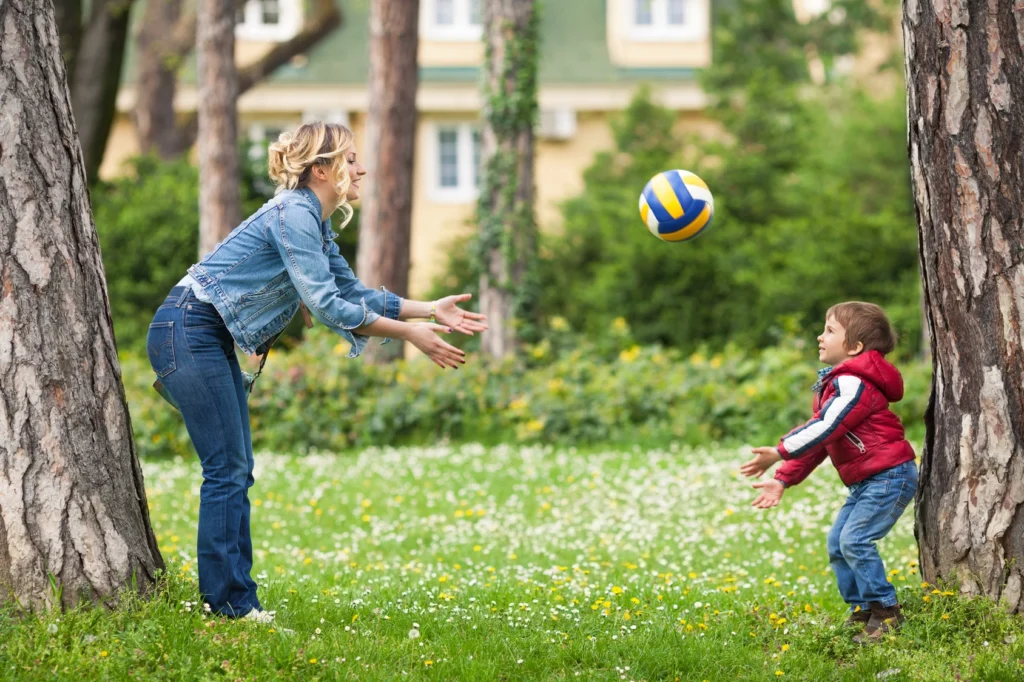
For Preschoolers (3-5 years)
- Ride-On Toys: Tricycles, balance bikes, and scooters are excellent for teaching steering, balance, and coordination.
- Balancing Acts: Challenge them to walk along a curb, a fallen log, or a line on the ground.
- Classic Games: Hopscotch, Simon Says (with big movements like “Simon says do a jumping jack”), and Red Light, Green Light are all powerful gross motor workouts disguised as fun.
- “Heavy Work”: Let them help with chores that involve pushing or pulling, like carrying a small bag of groceries, pushing a child-sized wheelbarrow, or helping you push the laundry basket.
Common Questions Parents Ask
It’s completely normal to have questions or a few worries about your child’s development. Let’s tackle a couple of common ones.
My child seems so clumsy. Should I be concerned?
All kids are clumsy sometimes! Their bodies are growing rapidly, and their center of gravity is constantly changing. A few trips and spills are a normal part of learning. However, if your child is consistently much clumsier than their peers, has trouble with basic skills like running or jumping well after their friends have mastered them, or if their clumsiness seems to be getting worse, it’s worth a chat with your pediatrician. They can help you figure out if what you’re seeing is typical or if an evaluation with a pediatric occupational or physical therapist might be helpful.
What’s the difference between being cautious and having a delay?
Some children are naturally more cautious. They like to watch and assess a situation before jumping in. This can be a wonderful personality trait! It’s different from a developmental delay. A cautious child might hesitate before going down the big slide, but they are physically capable of climbing the stairs. A child with a potential delay might struggle with the basic mechanics of climbing or walking, regardless of their personality. The key is to look at their physical ability, not just their willingness to take risks.
If you ever find yourself getting overwhelmed by milestones and comparison, that’s a normal part of being a parent. Remember to check in with yourself and your own well-being. It’s hard to be a patient coach when you’re feeling a pang of parental burnout. Be gentle with yourself, too.
It All Comes Back to Play
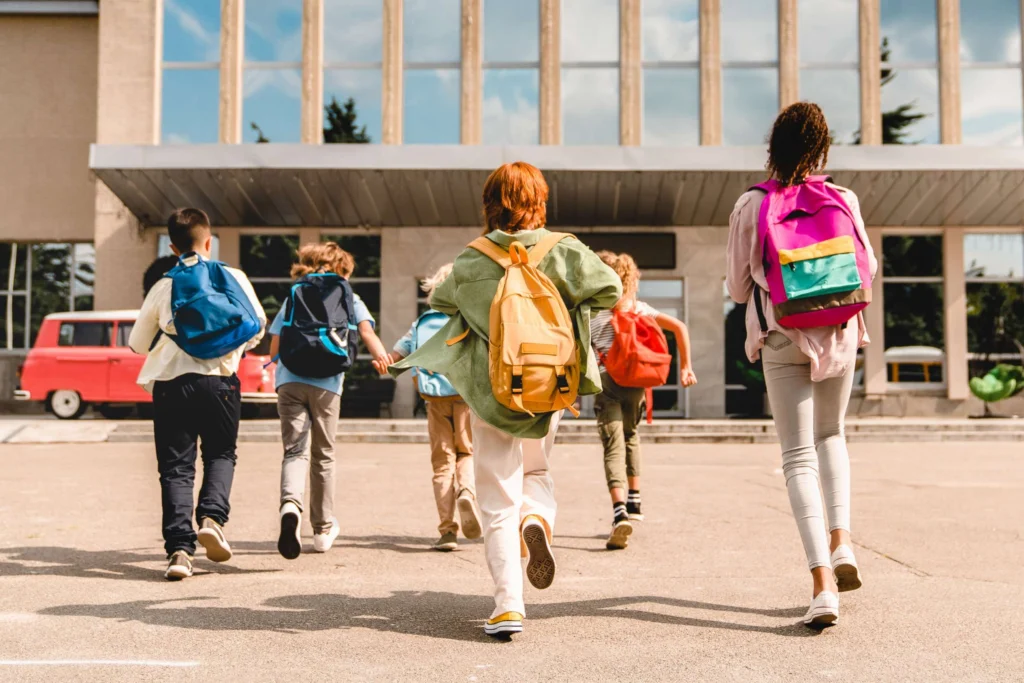
The next time you see your child gleefully running in circles or trying for the tenth time to get their leg over the side of the climbing wall, take a moment to smile.
They aren’t just getting tired out before naptime.
They are building their brain. They are forging their confidence. They are practicing for friendship. They are getting their body and mind ready for the grand adventure of school and life. Your role in all of this? To open the door, ensure the space is safe, and cheer them on as they discover the incredible power of their own moving body.




- Be Respectful
- Stay Relevant
- Stay Positive
- True Feedback
- Encourage Discussion
- Avoid Spamming
- No Fake News
- Don't Copy-Paste
- No Personal Attacks
- Be Respectful
- Stay Relevant
- Stay Positive
- True Feedback
- Encourage Discussion
- Avoid Spamming
- No Fake News
- Don't Copy-Paste
- No Personal Attacks
