Why Hobbies Are Essential for Your Mental Health (Not Just a Luxury)
Published: 19 Nov 2025
Picture this scenario. It is 8:30 PM. The kids are finally asleep. The dishwasher is running, the toys are mostly put away, and the house is quiet. You finally have a moment to yourself.
What do you do?
If you are like most parents I know, you probably collapse onto the couch and doom-scroll through social media until your eyes burn, or you mindlessly binge a show you don’t even like that much. You aren’t actually recharging; you are just zoning out.
We have all been there. But lately, I have been asking myself a hard question: When was the last time I did something just because it was fun?
Not fun for the kids. Not “fun” because it was a social obligation. Fun for me.
In the whirlwind of raising tiny humans, we often treat hobbies as a frivolous luxury. We think, “I’ll paint again when they’re in college,” or “I don’t have time for gardening.” But the truth is much deeper. Neglecting your own interests is a fast track to burnout.
Today, I want to explore why hobbies for a parent’s mental health are actually a non-negotiable part of the job description.
The Identity Crisis of Parenthood
There is a very specific feeling that settles in after the first few years of parenting. You look in the mirror and you recognize the parent, the caregiver, the snacker-packer, and the boo-boo kisser. But you struggle to recognize you.
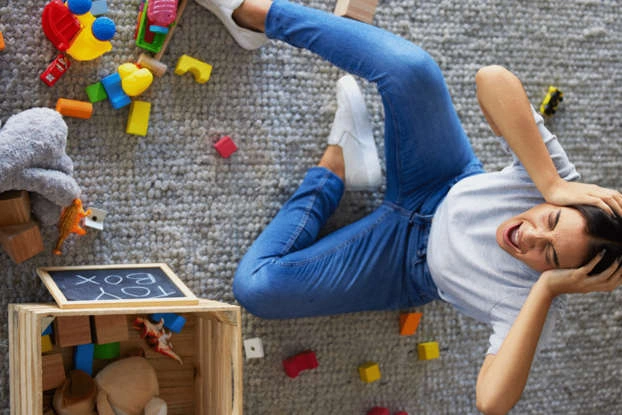
When we devote 100% of our mental energy to our children, our previous identity begins to atrophy. This isn’t just a sentimental loss; it is a psychological risk factor.
When your entire self-worth is tied to parenting, every bad day with your toddler feels like a catastrophic personal failure. If your toddler throws a tantrum, you feel like a failed human. However, when you have a hobby something that is yours alone you diversify your identity. You might have had a rough day as a mom or dad, but maybe you had a great day as a runner, a knitter, or a guitarist.
Maintaining a sense of self outside of your children provides a psychological buffer against the natural ups and downs of raising kids.
Borrowed Expertise: Why “Play” Is Serious Business
I used to think that “play” was something my toddler did with blocks, while I was supposed to be doing “serious” things like laundry and budgeting.
However, my perspective shifted completely when I dove into the work of Dr. Brené Brown. Dr. Brown is a renowned research professor who has spent decades studying vulnerability, courage, and shame.
In her research, she identifies “Play” as one of the core components of living a wholehearted life. She doesn’t define play as just games; she defines it as time spent without purpose. It is doing something just because you enjoy it, not because it crosses an item off a to-do list.
Here is the kicker: Dr. Brown found that play is not an option. It is a biological necessity. She argues that play is as essential to our health as rest.
If we view hobbies as “optional play,” we push them aside. But if we view them through Dr. Brown’s lens as essential maintenance for our emotional health the guilt starts to fade. When we don’t play, we become rigid, resentful, and exhausted.
Does that sound familiar?
When we deny ourselves the joy of a hobby, we aren’t “sacrificing for our family.” We are often just making ourselves more prone to snapping at them later.
The Science: What Hobbies Do to a Parent’s Brain
Let’s get a little technical for a moment. When you are in “parent mode,” your brain is often operating in a state of hyper-vigilance. You are scanning for danger, managing schedules, and regulating someone else’s emotions. This keeps your cortisol (stress hormone) levels elevated.
Engaging in a hobby interrupts this cycle.
When you focus on a task you enjoy whether it’s woodworking, watercolor, or coding your brain can enter a “flow state.” This state lowers cortisol and releases dopamine (the feel-good chemical). It is a reset button for your nervous system.
If you find yourself constantly on edge, you might be dealing with more than just stress. It is important to understand the difference between everyday stress and a real anxiety disorder to know when you might need professional support alongside your lifestyle changes.
Overcoming the “Guilt and Grind” Barrier
We know hobbies are good for us. So why don’t we do them?
Usually, it comes down to two things: Time and Guilt.
The Time Myth
“I don’t have time” is the most common defense. And listen, I get it. If you are raising a toddler, sitting down for three hours to write a novel feels laughable.
But hobbies don’t require huge blocks of time. They require intentional time.
- Reading for 15 minutes before bed instead of scrolling Instagram.
- Gardening for 10 minutes while the kids play in the dirt next to you.
- Doing a crossword puzzle while the pasta boils.
If you are feeling completely maxed out, check out my guide on 10 self-care ideas for parents who have absolutely no time for some quick inspiration.
The Guilt Trap
This is the big one. We feel guilty for spending time on ourselves when the laundry isn’t done.
But here is a question for you: Do you want your children to grow up thinking that adulthood means giving up everything that brings you joy?
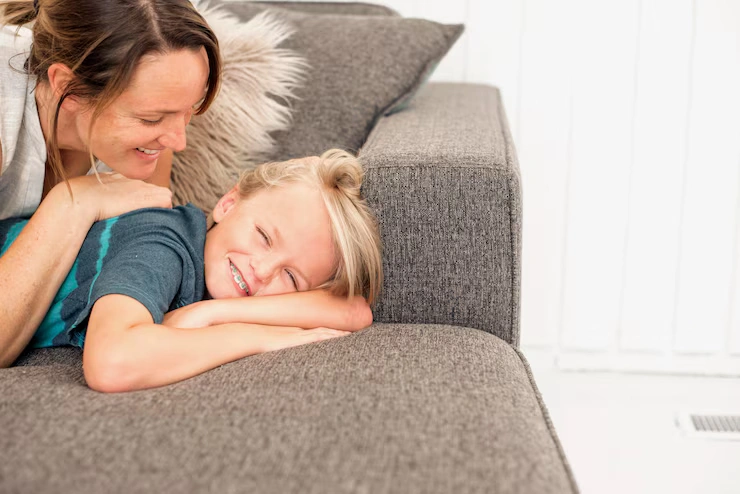
You are your child’s primary role model. If they see you lighting up because you finished a painting or beat your personal best on a run, they learn that having passions is a beautiful part of life. You are teaching them how to be a happy adult.
Practical Steps to Finding Your Thing
If it has been years since you did something for fun, you might not even know what you like anymore. That is okay. It is part of the process of how to rediscover your identity after becoming a parent.
Here is a simple roadmap to get started:
1. Look Back to Look Forward
What did you love doing when you were 10 years old? Did you love building things? Drawing? Running around outside? Usually, our childhood passions hold the key to our adult happiness.
2. Start with “Low Stakes” Hobbies
Don’t go out and buy $500 worth of equipment. Start small.
- Journaling: Low cost, high mental reward.
- Walking/Hiking: Good for the body and the mind.
- Adult Coloring Books: Great for mindfulness.
- Cooking (The fun kind): trying a new recipe just for the joy of flavors, not just to feed the troops.
3. Involve the Kids (Sometimes)
While it is important to have solo time, some hobbies can be shared. If you love yoga, let your toddler crawl around you while you practice. If you love baking, let them dump the flour. However, be careful here. If managing them during the activity becomes more work than the activity itself, it is no longer a hobby for you. It is just another parenting task.
Common Questions About Parents and Hobbies
Is watching Netflix a hobby?
Generally, no. While relaxing is important, passive consumption (like watching TV) doesn’t usually trigger that “flow state” or provide a sense of accomplishment. A hobby usually involves active participation or creation
I feel selfish taking time away from my kids. How do I stop?
Remind yourself of the “Oxygen Mask Rule.” You cannot help your child if you are suffocating. A refreshed, happy parent is statistically more patient and empathetic than a depleted martyr. If you are struggling with snapping at your kids due to burnout, you might find it helpful to read about what to do if you’ve yelled at your kids and how to repair that bond.
What if I start a hobby and quit?
Then you succeeded! You learned something new about yourself. The goal isn’t to become a professional; the goal is the doing
The Ripple Effect on Your Family
When you prioritize your mental health through hobbies, the benefits trickle down to your children.
We spend so much time worrying about their milestones. We read about gross motor skill development and worry about whether they are hitting their marks. But one of the best things we can do for their development is to show them what a regulated, joyful human looks like.
Secure attachment isn’t just about being present for their every whimper; it is about being a stable base. It is hard to be a stable base when you are crumbling inside. (If you want a refresher, read my simple guide on what is secure attachment).
Your Assignment for This Week
I am not going to ask you to sign up for a marathon or paint a mural.
My challenge to you is small: Find 15 minutes this week.
Find 15 minutes to do something that has zero productive value. Something that makes you smile. Something that reminds you that before you were a parent, and underneath the layers of responsibility, you are still you.
Your mental health matters. Not just because it helps you parent better (though it does), but because you are a person worthy of joy.




- Be Respectful
- Stay Relevant
- Stay Positive
- True Feedback
- Encourage Discussion
- Avoid Spamming
- No Fake News
- Don't Copy-Paste
- No Personal Attacks
- Be Respectful
- Stay Relevant
- Stay Positive
- True Feedback
- Encourage Discussion
- Avoid Spamming
- No Fake News
- Don't Copy-Paste
- No Personal Attacks
