How to Talk About Your Anxiety with Your Partner (and Actually Feel Heard)
Published: 22 Nov 2025
You’re standing in the kitchen, and it hits you. A wave of something heavy and electric. Your heart is thumping, your thoughts are racing, and there’s a pit in your stomach. Your partner walks in, asks if you’re okay, and you just say, “I’m fine. Just tired.”
Does that sound familiar?
If you’re living with anxiety, trying to explain it to the person you love most can feel terrifying. It’s this huge, invisible thing inside you, and finding the words feels impossible. What if they think you’re being dramatic? What if they see you as a burden? What if it just starts a fight you don’t have the energy for?
I get it. I’ve been there. You feel like you’re managing this secret struggle all on your own, and the person who is supposed to be your teammate doesn’t even have the playbook.
But what if that conversation didn’t have to be a fight? What if, instead, it could be an invitation? An opportunity to bring your partner closer and finally feel like you’re on the same team, tackling this thing together.
That’s what this is about. This isn’t a clinical textbook. It’s a practical, gentle guide to help you have that conversation. We’re going to walk through how to prepare, what to say, and how to build a bridge of understanding, not a wall of conflict.

First, Let’s Acknowledge: Why Is This So Hard?
Before we dive into the “how,” let’s just sit with the “why” for a minute. Voicing your anxiety to a partner is uniquely difficult. You’re not just sharing information; you’re sharing a deep vulnerability.
Your fears are valid. Maybe you’re worried about:
- Being Misunderstood: They might confuse it with simple stress and say, “Just relax!” or “Don’t worry so much!”
- Being a Burden: You might feel like you’re adding one more problem to their plate, especially when life with kids is already chaotic.
- Changing How They See You: Will they still see you as a strong, capable partner and parent?
- Getting a “Fix-It” Response: They might jump straight into solution mode, which can feel invalidating when what you really need is a hug.
The gap between your internal experience and their external perception can feel like a canyon. Our goal is to build a sturdy bridge across it, one plank at a time. It’s helpful to remember the difference between everyday stress and a true anxiety disorder, as this clarity can help you frame the conversation.
The Groundwork: Preparing for the Talk
A good conversation rarely happens by accident. A little prep work can make all the difference between a productive talk and a painful argument.
Step 1: Pick Your Moment (Timing is Everything)
This is not a conversation to have when you’re both rushing to get the kids to school, right after a stressful day at work, or late at night when you’re both exhausted. Don’t bring it up in the middle of an argument about something else.
Choose a calm, neutral time. Maybe it’s on a Saturday morning over coffee, during a quiet evening after the kids are asleep, or even on a walk together. The goal is to have a pocket of time where you both feel relaxed and can give each other your full attention.
Step 2: Know Your “Why”
Before you talk to them, get clear with yourself. What is the goal of this conversation? What do you actually need from your partner?
Do you need:
- Emotional Support? Just for them to listen and say, “That sounds really hard. I’m here for you.”
- Practical Support? Help with a specific task, like taking the kids for an hour so you can decompress.
- Understanding? For them to know why you were so quiet yesterday or why you canceled plans.
- Teamwork? To ask them to help you spot your triggers or to be a partner in your coping strategies.
Knowing what you need prevents the conversation from becoming a vague complaint. It gives your partner a clear, actionable way to help, which men, in particular, often appreciate.
The Script: How to Start the Conversation
Okay, this is the scary part. How do you actually begin?
I was doing some reading on this, and I came across the work of Dr. John Gottman from The Gottman Institute. He’s a world-renowned researcher on relationships, and he has this brilliant concept called the “Soft Start-Up.”
The idea is that the way you begin a conversation determines how it will end 96% of the time. A harsh start-up (like “You never listen to me!”) leads to a fight. A soft start-up, on the other hand, invites cooperation.
The formula is simple and powerful: I feel [emotion] about [situation], and I need [specific, positive request].
It’s all about using “I” statements and being clear without blaming.
Here’s how it might sound when talking about anxiety:
Example 1 (General Opening):
- “Hey, can we talk for a minute? I’m feeling a little vulnerable, but I want to share something that’s been going on with me. Lately, I’ve been feeling a lot of anxiety, and it’s been really hard to handle on my own. I’m not sure if you’ve noticed. What I really need is just for you to listen for a few minutes so I can explain what it feels like for me.”
Example 2 (Specific to a Situation):
- “You know how I was really quiet last night? I was feeling completely overwhelmed with anxiety. My heart was racing, and I couldn’t get my brain to shut off. It had nothing to do with you. In those moments, I think what I would need is maybe just a hug or for you to ask if there’s anything you can do to help.”
See the difference? You’re not accusing. You’re explaining your internal world and giving them a role as your partner.
Painting a Picture: Use Analogies to Explain the Feeling
For someone who hasn’t experienced it, anxiety can be abstract. Analogies are your best friend here. They translate the feeling into a concept they can grasp.
Here are a few that have really clicked for me and others:
- The Faulty Smoke Alarm: “You know how a smoke alarm is supposed to go off when there’s a fire? My anxiety is like a smoke alarm with faulty wiring. It goes off even when there’s no fire. Sometimes the trigger is tiny, like a burnt piece of toast, and sometimes it goes off for no reason at all. I know logically there’s no danger, but I can’t just ‘turn off’ the alarm. My body is reacting as if the house is burning down.”
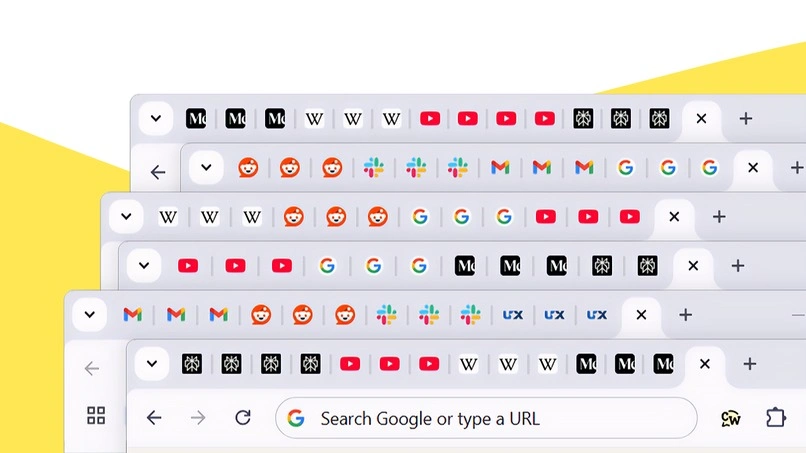
- Too Many Browser Tabs Open: “Imagine your brain is a computer. You’re supposed to have a few tabs open to do your work. My anxiety feels like I have 100 browser tabs open at all times. They’re all playing music or videos, and I can’t figure out where the sound is coming from. I’m trying to focus on the one tab that’s our life together, but the noise from all the other tabs is overwhelming and exhausting.”
- The Wobbly Bridge: “It feels like I’m constantly walking on a high, wobbly bridge. Most people can just walk across and not think about it. But I’m intensely aware of how high up I am, the wind, and every little creak in the wood. It takes all of my energy just to take the next step, even though I know the bridge is probably safe.”
Offer these as a starting point. You could say, “It’s hard to describe, but someone explained it like this, and it really fits…”
During the Conversation: Staying Connected
As you’re talking, a few things can help keep the dialogue constructive.
- Describe the Physical Side: Anxiety isn’t just “worrying.” Explain the physical symptoms. Tell them, “It’s not just in my head. My chest gets tight, I feel dizzy, my stomach is in knots, and sometimes I feel like I can’t breathe.” This helps them understand it’s a full-body experience, much like what can happen during a panic attack. For many, knowing what a panic attack actually feels like can be a real eye-opener.
- Use Brené Brown’s Magic Phrase: I’m a huge admirer of Dr. Brené Brown, who studies vulnerability and courage. She has a life-changing communication tool. If your partner says something that stings or misunderstands, instead of reacting with “You’re wrong!” try saying: “The story I’m telling myself right now is…”
- For example: “When you suggest I just ‘go for a run,’ the story I’m telling myself is that you think this is simple and that I’m not trying hard enough. Is that what you mean?”
- This phrase is magic. It turns an accusation into a question and gives them a chance to clarify their intent. “Oh no, that’s not what I meant at all! I just feel helpless and want to suggest something that might help.” Boom. Conflict de-escalated.
- Listen to Their Reaction: Give them space to process. They might be quiet, surprised, or even a little scared themselves. They might ask questions. Try to see their reaction as data, not judgment. They care about you, and this is new information for them, too.
Common Questions (FAQ)
What if they get defensive or try to “fix” it?
This is so common! A “fix-it” response often comes from a place of love and helplessness. They see you’re in pain and want to solve it. Gently guide them back. You can say, “I appreciate you wanting to help me fix this. Right now, I don’t need solutions. I just need you to hear me and believe me. Can we start there?
What if they don’t seem to get it, even after I explain?
This is a process, not a one-time fix. They might not fully understand after one talk. The goal is to open the door. You can say, “I know this is a lot to take in. Maybe I can send you an article or a short video that explains it well?” Let the conversation be the beginning of Anjihov’s journey to understanding, not the end.
How often should we talk about this?
It doesn’t need to be a constant topic of conversation. The initial big talk is about setting the foundation. After that, there can be quick check-ins. “Hey, my anxiety is running a little high today, so I might be quieter than usual,” is enough to keep them in the loop.
What if my partner has anxiety, too?
This can be both a blessing and a challenge. They will understand the feeling, but you have to be careful not to trigger each other. It’s crucial to establish that you’re a team, but you are not each other’s therapists. The focus should be on mutual support and encouraging each other to use healthy coping tools, not co-ruminating or spiraling together.
This Is About Connection, Not Perfection
Having this conversation is an act of profound courage. It’s you saying, “I want you to see all of me, even the parts I’m scared of.”
It won’t be a perfect conversation. You might stumble over your words. They might say the wrong thing. That’s okay. The goal isn’t a flawless performance. The goal is to start building that bridge.

When you let your partner in, you stop carrying the weight alone. You allow them to be the teammate they want to be. It won’t make the anxiety disappear, but it can make the loneliness of it lift. And sometimes, that makes all the difference in the world. You’re not just managing anxiety; you’re strengthening your partnership and modeling for your children what it looks like to be a supportive, communicative team. And that’s a foundation for building a secure attachment with our kids that will last a lifetime.
You can do this.





- Be Respectful
- Stay Relevant
- Stay Positive
- True Feedback
- Encourage Discussion
- Avoid Spamming
- No Fake News
- Don't Copy-Paste
- No Personal Attacks
- Be Respectful
- Stay Relevant
- Stay Positive
- True Feedback
- Encourage Discussion
- Avoid Spamming
- No Fake News
- Don't Copy-Paste
- No Personal Attacks
