More Than a Happy Childhood: The Lifelong Gifts of a Strong Bond With Your Child
Published: 22 Nov 2025
It’s 8 p.m. The house is finally quiet, save for the hum of the dishwasher. You’ve navigated homework, brokered a fight over a toy, wiped up a spill, and given what feels like one hundred bedtime hugs. You sink onto the sofa, exhausted, and wonder, “Am I even doing this right? Does any of it really matter in the long run?”
If you’ve ever felt this way, you’re not alone. Parenting can often feel like a series of small, repetitive tasks. But hidden within that daily dance of connection, comfort, and care, you are building something with a truly lifelong impact.
A strong parent-child bond isn’t about being a perfect parent or orchestrating grand, Instagram-worthy adventures. It’s the invisible thread of trust and safety woven through thousands of ordinary moments. It’s the feeling a child has that they are seen, safe, and loved for exactly who they are.
And the benefits of that feeling don’t just fade after childhood. They ripple out across a lifetime, shaping the adult your child will become and, just as importantly, enriching your own life in ways you might not expect.
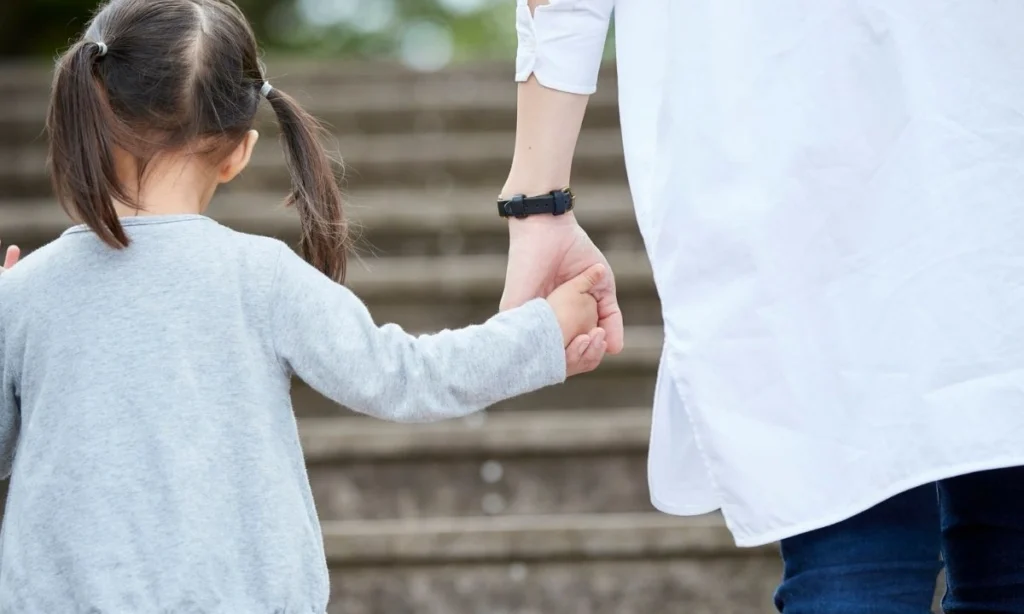
What Does a “Strong Bond” Even Look Like?
Before we dive into the lifelong gifts, let’s get clear on what we’re talking about. A strong bond isn’t about constant agreement or a life without conflict. It’s about creating a foundation of what experts call “secure attachment.”
Think of it as your child’s emotional home base. It’s the knowledge deep in their bones that they have a safe harbor to return to when the world feels scary, confusing, or overwhelming.
In real, everyday life, this looks like:
- Responding to their needs with warmth (even when you’re tired).
- Comforting them when they are hurt or scared.
- Showing delight in who they are as a person.
- Setting firm but loving boundaries.
- Apologizing and repairing the connection after you make a mistake (because we all do).
It’s not about perfection; it’s about connection. Now, let’s explore the incredible return on that emotional investment.
The Lifelong Gifts You Give Your Child
When children grow up with this secure base, they carry that strength with them into adulthood. It becomes the blueprint for how they see themselves and the world.
Fostering Resilience and Better Mental Health
Life is full of challenges. A strong bond doesn’t prevent hardship, but it acts as a powerful buffer against it. Children who feel securely connected to a parent learn how to regulate their emotions. They know that big feelings like sadness, anger, and fear are manageable because they’ve been coached through them by someone they trust.
As adults, this translates into:
- Lower rates of anxiety and depression.
- Greater ability to cope with stress.
- A more optimistic outlook on life.
They have an internal voice, modeled after yours, that says, “You can get through this.”
Building a Foundation for Healthy Future Relationships
The parent-child relationship is the first and most important one a person ever has. It’s where we learn what love, trust, and intimacy feel like. A child who experiences a reliable and loving bond learns to expect that from others.
They grow into adults who are more likely to:
- Choose supportive and healthy partners.
- Form deep, meaningful friendships.
- Communicate their needs and boundaries effectively.
- Trust others and allow themselves to be vulnerable.
You’re not just teaching them how to be a son or daughter; you’re teaching them how to be a partner, a friend, and one day, maybe even a parent themselves.
Nurturing Confidence and a Willingness to Explore
Have you ever seen a toddler at a playground look back to make sure you’re watching before they try the big slide? That’s the secure base in action. The confidence to explore the world comes directly from the knowledge that there’s a safe person to return to.
This quality doesn’t disappear. As adults, this “secure base” turns into a powerful sense of self-worth. They are more likely to:
- Take healthy risks, like applying for a promotion or moving to a new city.
- Believe in their own abilities to solve problems.
- View failure as a learning opportunity, not a catastrophe.
Your steady presence gives them the courage to build their own independent, fulfilling life.
The Surprising Ways a Strong Bond Benefits You, the Parent
This isn’t a one-way street. The effort you pour into building a strong bond with your child pays dividends for your own well-being, both now and for decades to come.
Lowering Your Own Stress and Increasing Happiness
Parenting is stressful, there’s no doubt. But a connected relationship is a powerful antidote to parental burnout. When your relationship with your child is a source of joy and cooperation rather than constant conflict, your own stress levels naturally decrease.
The physical affection, the shared laughter, the quiet moments of understanding… these all trigger the release of hormones like oxytocin in your brain, too. This “connection hormone” actively lowers cortisol (the stress hormone) and boosts feelings of calm and well-being. A strong bond is a form of self-care.
Finding Deeper Meaning and Purpose
Many parents feel like they lose a part of themselves when they have kids. But a strong bond helps you find a new, deeper sense of identity and purpose. Nurturing another human and watching them grow into a kind, confident person is one of the most profoundly meaningful experiences life has to offer.
This connection provides a sense of mattering that goes beyond career achievements or personal hobbies. It anchors you.

Creating a Lifelong Friendship
When you focus on connection over control, you are laying the groundwork for a wonderful adult relationship with your child. The goal isn’t to be their “best friend” during childhood, but to build a foundation of love and respect that can evolve into a deep, lasting friendship when they are grown. Imagine having your adult child call you not out of obligation, but because they genuinely value your company and advice. That is one of the ultimate rewards of this journey.
The Experts’ View: What a Century of Research Tells Us
It’s one thing for me to say all this, but this isn’t just feel-good advice. It’s backed by decades of incredible research.
I was recently reading about the work of John Bowlby, a British psychologist who is essentially the father of “Attachment Theory.” In the mid-20th century, he revolutionized our understanding of this topic. He proposed that a child’s primary need, right alongside food and shelter, is to feel a secure connection with a primary caregiver. He called this the “secure base” we talked about earlier. His colleague, Mary Ainsworth, later proved his theories in her groundbreaking “Strange Situation” studies, observing how securely attached toddlers confidently explored a room, knowing their parent was there for them.
Their work showed that this bond isn’t a ‘nice-to-have’; it’s a biological necessity for healthy development.
But does it really last a lifetime?
This is where the Harvard Study of Adult Development comes in. It’s one of the longest-running studies of adult life ever conducted, tracking the lives of two groups of men for over 80 years. They’ve tracked their careers, their health, their happiness, everything. After all that time, the director of the study, Dr. Robert Waldinger, said the clearest message they got was this: “Good relationships keep us happier and healthier. Period.”
The study found that the single biggest predictor of who was going to be a happy, healthy 80-year-old wasn’t their cholesterol level or their career success. It was the quality of their close relationships. And where do we first learn how to build those relationships? You guessed it. In the arms of our parents.
Common Questions About Building a Strong Bond
It’s easy to read this and feel a little pressure. Let’s tackle some common worries
Is it ever “too late” to build a strong bond?
Absolutely not. While the early years are foundational, the human brain is built for connection at any age. It’s never too late to start being more intentional, to listen more, to repair past hurts, and to build new patterns of connection with your child, whether they are 8 or 18. Your effort will always matter
What if I yell or make mistakes? Have I ruined everything?
Welcome to the club of being a human parent. Every single parent makes mistakes. A strong bond isn’t built on perfection. In fact, it’s strengthened by what happens after a mistake. Going back to your child, apologizing sincerely, and reconnecting is one of the most powerful ways to build trust. This is where you can learn how to repair and reconnect after yelling.
I work full time. Do I need to be with my child 24/7?
No. The research is very clear on this: it’s the quality of the time, not the sheer quantity. Being fully present for 20 focused minutes a day is more powerful than being in the same house for 3 hours while distracted by your phone and chores. Put the phone down, make eye contact, and truly listen. That’s what builds the bond.
Your Legacy Is in the Little Moments
That 8 p.m. feeling of exhaustion on the sofa is real. But the work you are doing is monumental.
You are not just getting your child through the day. With every hug, every patient answer, every shared story, and every time you repair a rupture, you are handing them the tools for a resilient, happy, and connected life. You are giving them a gift that will protect their health, enrich their relationships, and bolster their confidence for the rest of their days.
And in the process, you are building a source of profound joy and meaning for yourself. This bond is your legacy. It’s written not in a history book, but in the heart of the person you are raising. And it is the most important thing you will ever build.






- Be Respectful
- Stay Relevant
- Stay Positive
- True Feedback
- Encourage Discussion
- Avoid Spamming
- No Fake News
- Don't Copy-Paste
- No Personal Attacks
- Be Respectful
- Stay Relevant
- Stay Positive
- True Feedback
- Encourage Discussion
- Avoid Spamming
- No Fake News
- Don't Copy-Paste
- No Personal Attacks
