It’s Not Just You: How Hormones Are Fueling Your Anxiety
Published: 24 Nov 2025
Have you ever been sitting in a quiet room, watching your child play happily, when a sudden wave of dread washes over you?
Maybe it is a racing heart. Maybe it is a tightness in your chest. Or perhaps it is an intrusive thought that whispers, something is wrong.
When you try to talk about this feeling, well-meaning friends or family might tell you to “relax” or that “all moms worry.” While they aren’t wrong that worry is common, they are missing a critical piece of the puzzle.
Sometimes, anxiety isn’t just about what is happening in your schedule. It is about what is happening in your biology.
If you have been feeling like you are losing control or that your personality has shifted since becoming a mother, I want you to take a deep breath. We are going to look at the science behind your hormones. We are going to look at why your brain is behaving this way and, most importantly, remind you that you are not crazy.
The “Mommy Brain” is Real (And It’s Wired for Worry)
We often joke about “mommy brain” when we lose our keys or forget an appointment. But the neurological changes that happen to a mother are profound and serious.
To understand this, we are going to look at the work of Dr. Louann Brizendine, a neuropsychiatrist and author of The Female Brain. Dr. Brizendine’s research highlights a fascinating and slightly terrifying concept: Motherhood permanently alters the structure of your brain.
According to Dr. Brizendine, during pregnancy and the postpartum period, a woman’s brain is marinated in a cocktail of hormones that physically changes the size and sensitivity of certain brain regions.
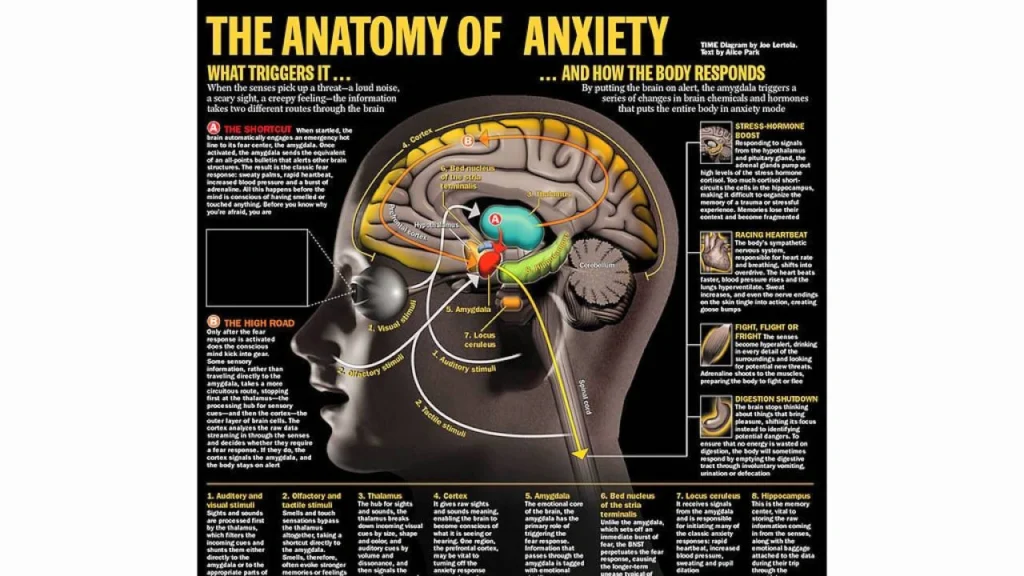
The most significant change happens in the amygdala.
The amygdala is the alarm bell of your brain. It is responsible for processing fear and threat detection. In mothers, this area becomes hypersensitive.
Why does this happen? From an evolutionary standpoint, it is brilliant. A hyper-aware mother is more likely to keep her vulnerable baby alive. You are wired to hear a whimper from three rooms away. You are wired to scan for danger.
However, in our modern world where we aren’t fighting off predators, this hypersensitivity often manifests as chronic anxiety. Your brain is doing its job a little too well.
The Key Hormonal Players in Your Anxiety
While the structural changes set the stage, your daily hormonal fluctuations act as the weather systems passing through. Let’s look at the specific hormones that might be spiking your anxiety levels.
The Estrogen and Progesterone Drop
You likely know about the massive drop in hormones right after birth. But did you know that estrogen and progesterone have a calming effect on the brain? Progesterone, in particular, acts on the brain’s GABA receptors, which are the same receptors that anti-anxiety medications target.
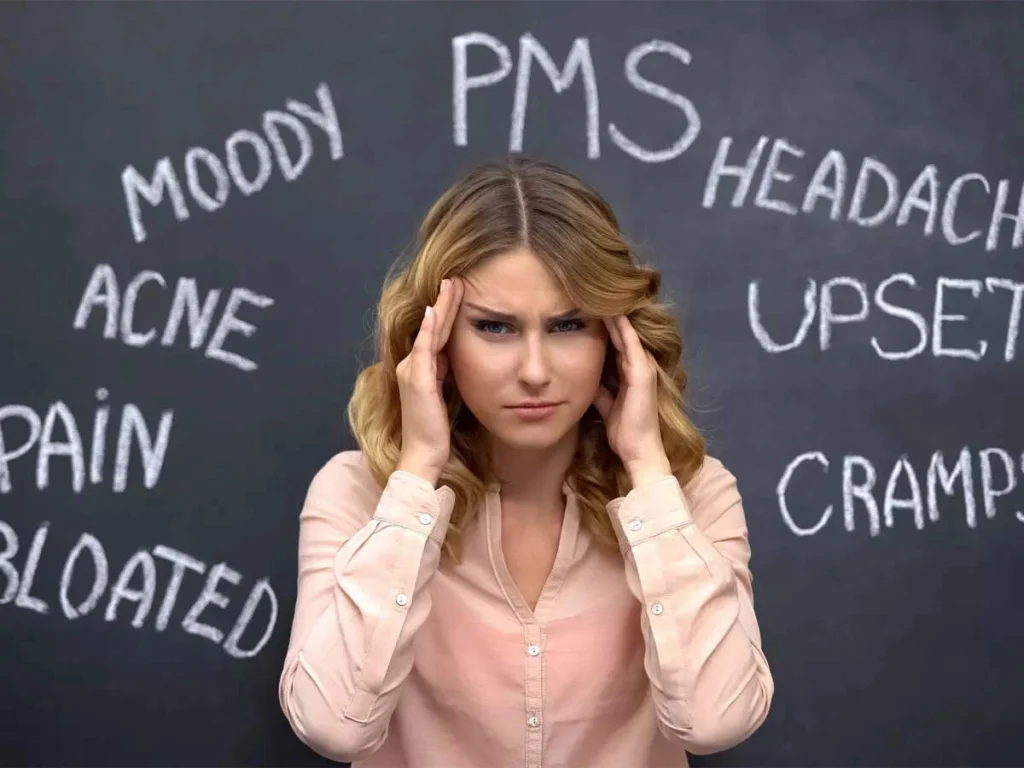
When these levels drop whether immediately postpartum, right before your period (PMS), or during perimenopause you lose that natural sedative. This can leave you feeling raw, exposed, and anxious without a clear trigger.
The Dark Side of Oxytocin
We usually call oxytocin the “love hormone.” It helps us bond and feel warm and fuzzy. If you want to dive deeper into how this helps us parent, I have a full breakdown on the science of connection
However, oxytocin has a protective flip side. When oxytocin levels are high, defensive aggression and anxiety can also rise if you perceive a threat to your child. That fierce “mama bear” energy? That is oxytocin. If you feel an intense need to control your environment to keep everyone safe, that might be the love hormone working overtime.
Cortisol: The Stress Cycle
Cortisol is the stress hormone. When your hypersensitive amygdala (the alarm bell) rings, your body floods with cortisol.
The problem for mothers is sleep deprivation. Sleep is how our bodies flush out cortisol. When you aren’t sleeping, cortisol builds up. High cortisol levels make you feel jittery, panicked, and unable to focus. It becomes a cycle: you are too anxious to sleep, so your cortisol rises, making you more anxious.
It’s Not Just Postpartum: The Long-Haul Anxiety
We talk a lot about the newborn days, but hormonal anxiety can strike at any time.
- The Menstrual Cycle: Many mothers notice their patience evaporates and their anxiety spikes in the week before their period. This is often dismissed, but for some, it can be PMDD (Premenstrual Dysphoric Disorder), a severe sensitivity to hormone fluctuations.
- Perimenopause: If you are a mom of older kids, you might be entering perimenopause. This phase involves erratic hormone spikes and drops that can cause sudden panic attacks in women who have never had them before.
If you are wondering if your physical sensations are normal or something more, it helps to understand the baseline. You can read more about the physical symptoms of anxiety you might be ignoring to see if your body is sending you signals.
How to Tell if It’s Hormonal or Situational
So, how do you know if you are anxious because your toddler is painting the walls with yogurt, or if it is a hormonal imbalance?
Here are a few signs it might be biological:
- The Timing is Cyclic: You notice the anxiety spikes at the same time every month or during specific life transitions (weaning breastfeeding, for example).
- The Anxiety Feels “Physical”: You feel the racing heart and the panic before you even have a worried thought. The physical sensation comes first; the brain looks for a reason second.
- Your Coping Skills Stopped Working: Strategies that usually calm you down are suddenly ineffective.
If you suspect your anxiety is crossing the line into a disorder, specifically after having a baby, please read my guide on is it postpartum anxiety. It can help you distinguish between “new mom nerves” and a condition that needs treatment.
3 Steps to Reclaim Your Calm
Knowing the science is validating, but you also need actionable steps.
1. Track Your Cycle and Symptoms
Don’t guess. Use a journal or an app to track your mood alongside your cycle. If you see a pattern, you can predict the “stormy days” and prepare. You can tell your partner, “I’m entering my high-anxiety week, I need you to handle bedtime.”
2. Get Your Bloodwork Done
Fatigue and anxiety are also symptoms of thyroid imbalances and iron deficiency both incredibly common in mothers. Ask your doctor for a full panel, including TSH, Ferritin, and Vitamin D.
3. Prioritize “Physiological” Self-Care
When your hormones are raging, a bubble bath won’t cut it. You need to speak your body’s language.
- Move your body: This burns off excess cortisol.
- Eat protein: This stabilizes blood sugar, preventing the “hangry” shakes that mimic anxiety.
- Rest: If you can’t sleep, just rest your eyes.
If you need practical inspiration that fits into a busy schedule, check out my list of 10 self-care ideas for parents who have absolutely no time
Common Questions About Hormonal Anxiety
Can stopping breastfeeding cause anxiety?
Yes. Weaning leads to a significant drop in oxytocin and prolactin. Many women report a spike in anxiety and mood swings for several weeks after they stop breastfeeding.
Does “Mommy Brain” ever go away?
The structural changes Dr. Brizendine describes are long-lasting, but the symptoms usually settle. As your hormones regulate and you get more sleep, the brain’s alarm system becomes less reactive.
Is it normal to feel rage alongside anxiety?
Absolutely. Anxiety implies fear, but when we feel threatened, our “fight or flight” response often chooses “fight.” This can manifest as snapping at your partner or kids. If this is happening, you might find help in my article on difference between everyday stress and a real anxiety disorder.
A Final Note: Be Gentle with Your Biology
Understanding that your anxiety has a biological basis doesn’t make the feeling go away instantly. But hopefully, it takes away the shame.
You are not failing. You are not a “bad mom.” You are a human being going through one of the most intense biological transformations nature has to offer.

Your brain is trying to protect your child. Your hormones are trying to regulate. Be patient with your body. It has done incredible things, and with a little support and understanding, you will feel like yourself again.






- Be Respectful
- Stay Relevant
- Stay Positive
- True Feedback
- Encourage Discussion
- Avoid Spamming
- No Fake News
- Don't Copy-Paste
- No Personal Attacks
- Be Respectful
- Stay Relevant
- Stay Positive
- True Feedback
- Encourage Discussion
- Avoid Spamming
- No Fake News
- Don't Copy-Paste
- No Personal Attacks
