How to Speak Your Child’s Heart: Understanding the 5 Love Languages
Published: 25 Nov 2025
Have you ever had a day where you did everything right? You cooked a great breakfast, bought them that toy they wanted, and drove them to practice, but by bedtime, your child was grumpy, distant, or even saying things like, “You never spend time with me!”
It is baffling. It is heartbreaking. You are exhausted from giving, yet they feel empty.
Here is the good news. You are not doing a bad job. You might just be speaking a different language.
Just as we have unique personalities, we have unique ways we prefer to receive love. When we learn to “speak” our child’s specific emotional language, we do more than just make them happy. We build a foundation of trust that lasts a lifetime.
Let’s explore how understanding the 5 love languages for children can change the dynamic in your home.
The Science of the “Emotional Tank”
Before we dive into the languages, we need to look at the experts who pioneered this concept. Dr. Gary Chapman, along with Dr. Ross Campbell, authored the seminal book The 5 Love Languages of Children.
Their central thesis is simple but profound. Every child has an “emotional tank.”
Think of it like the gas tank in your car. When the tank is full, the car runs smoothly. When your child’s emotional tank is full, they feel secure, confident, and loved. They are generally easier to parent and more resilient to stress.
However, when the tank runs dry, the engine starts to sputter. In children, a “sputtering engine” looks like misbehavior, whining, clinginess, or withdrawal.
Dr. Chapman argues that while we should give our children love in all five ways, they each have a primary language that fills their tank fastest. If we miss that primary language, the tank stays low, no matter how hard we try in other areas.
Decoding the 5 Love Languages
Let’s break down what these languages look like in the context of parenting and how you can apply them today.
1. Physical Touch
For these children, physical contact is not just pleasant. It is essential for survival. They interpret touch as security. While all children need touch, a child with this primary language will wither without it.
What it looks like:
- They are constantly climbing on you, hugging your leg, or wrestling.
- They want to sit on your lap during a movie.
- They physically touch you when they walk by.
How to fill their tank:
- Offer plenty of hugs before school and bedtime.
- Create a “cuddle time” ritual.
- Read stories with them sitting on your lap.
- Tousle their hair or rub their back when they are stressed.
2. Words of Affirmation
“Sticks and stones may break my bones, but words will never hurt me.” For a child with this love language, that rhyme is a lie. Words hold immense power for them. They collect your compliments like treasures and store them in their hearts.
What it looks like:
- They beam when you praise them.
- They are easily crushed by harsh tones or critical words.
- They often say sweet things to you, fishing for a response.
How to fill their tank:
- Leave little notes in their lunchbox (even a drawing works!).
- Praise their effort, not just the result (e.g., “I love how hard you worked on that puzzle”).
- Tell them “I love you” randomly, not just at bedtime.
- Overhear you speaking positively about them to others.
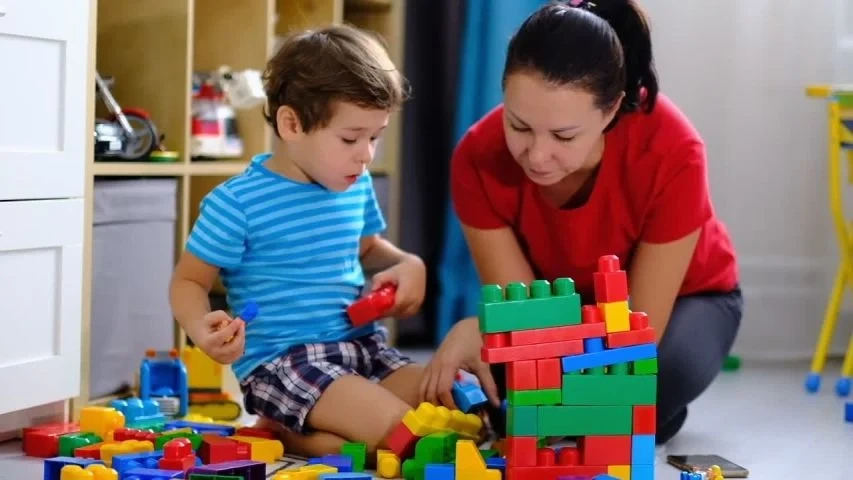
3. Quality Time
This child does not want your money or your praise as much as they want your undivided attention. They want you to put the phone down, make eye contact, and be present.
What it looks like:
- They constantly say, “Watch this, Mom! Look at me!”
- They misbehave specifically to get you to stop what you are doing.
- They love running errands with you just to be together.
How to fill their tank:
- Establish a dedicated 10-minutes a day of “special time” where they choose the activity.
- Include them in daily tasks, like cooking or folding laundry.
- Make eye contact when they are speaking to you.
- If you are worried you don’t have enough hours in the day, read our guide on why “Quality Time” is more important than “Quantity Time” to see how small moments count.
4. Gifts
It is easy to mistake this for materialism, but it isn’t. For these children, a gift is a tangible symbol that “You were thinking of me when I wasn’t there.” It is about the thought and the ceremony, not the price tag.
What it looks like:
- They treasure the wrapping paper as much as the toy.
- They have a hard time throwing things away because “Mommy gave me this rock.”
- They love giving gifts to others.
How to fill their tank:
- Keep a “treat box” with inexpensive stickers or pencils.
- Make a big deal out of presentation (wrapping paper matters!).
- Give them something personal from nature, like a unique flower or shell, and explain why it reminded you of them.
5. Acts of Service
This language says, “I love you because I take care of you.” These children feel loved when you help them navigate the world or fix things for them. It provides a sense of safety.
What it looks like:
- They ask for help with things they can technically do themselves (like tying shoes).
- They appreciate it when you fix a broken toy.
- They feel cared for when you make their favorite meal.
How to fill their tank:
- Help them through the hard parts of homework without taking over.
- Surprise them by doing a chore for them occasionally.
- Cook their favorite comfort food when they have had a bad day.

How to Identify Your Child’s Primary Language
You might be reading this thinking, “My kid likes all of these!” That is normal, especially for toddlers. However, as they grow, one usually rises to the top. Here is how to play detective.
Observe How They Express Love
Dr. Chapman notes that children often give love the way they want to receive it. Does your daughter always draw you pictures? She might crave Words of Affirmation or Gifts. Does your son constantly try to wrestle? He is likely asking for Physical Touch.
Listen to Their Complaints
The most common complaint is often a clue to their empty tank.
- “We never do anything together!” (Quality Time)
- “You never help me!” (Acts of Service)
- “You didn’t bring me anything?” (Gifts)
Try the “Choice Test”
Give them a choice between two rewards. “We have 20 minutes before bed. Would you like to wrestle and cuddle (Touch) or shall we play a board game together (Quality Time)?” See which one they consistently pick.
Common Pitfalls to Avoid
The “Projection” Trap
We naturally tend to love our children in our own love language. If you are a “Gifts” person, you might shower your child with toys, but if they are a “Quality Time” child, they will still feel lonely sitting amidst the pile of presents. We have to step outside our comfort zones.
Ignoring the Other Four
Identifying a primary language does not mean you ignore the others. A child who loves Quality Time still needs a hug. Think of the primary language as the main course, but keep serving the side dishes too.
Using Languages as a Bribe
Be careful not to weaponize these languages. “If you don’t clean your room, no cuddles tonight” is damaging for a Physical Touch child. It threatens their sense of security.
Connecting Love Languages to Development
Understanding these languages helps immensely with behavioral milestones. For example, when a child is going through a developmental leap, they often feel insecure. Knowing their language allows you to stabilize them quickly.
If you are navigating the tricky years between toddlerhood and school age, check out our article on the 7 Stages of Child Development: A Parent’s Simple Guide to Growing Years. It pairs perfectly with understanding their emotional needs.
Furthermore, when a child feels truly understood, it builds a “Secure Attachment.” This is the biological bond that tells a child they are safe.
To understand why this safety is so critical for their future, read what is Secure Attachment? A simple guide for every parent.
Frequently Asked Questions
Can my child’s love language change?
Yes. While their personality tends to remain consistent, their needs shift as they grow. A teenager who loved Physical Touch as a toddler might recoil from public hugs but crave Words of Affirmation or Acts of Service (like a ride to the mall).
What if I don’t like my child’s love language?
This is common. If you are not a “touchy-feely” person but your child is, it can be draining. In this case, view it as an act of love. You are stretching yourself for them. Also, ensure you are taking care of your own mental health so you have the energy to give.
If you feel like you have nothing left to give, please read about “.I’ve Lost Myself”: How to rediscover your identity after becoming a parent You cannot fill their tank if yours is empty.

The Long-Term Reward
Learning to speak your child’s love language is a journey. You will get it wrong sometimes. You will be tired. You will forget. That is okay.
The goal isn’t perfection. The goal is connection.
When you make the effort to translate your love into a language they understand, you are telling them, “I see you. I know you. And I love you for exactly who you are.” That is the greatest gift you can give them.







- Be Respectful
- Stay Relevant
- Stay Positive
- True Feedback
- Encourage Discussion
- Avoid Spamming
- No Fake News
- Don't Copy-Paste
- No Personal Attacks
- Be Respectful
- Stay Relevant
- Stay Positive
- True Feedback
- Encourage Discussion
- Avoid Spamming
- No Fake News
- Don't Copy-Paste
- No Personal Attacks
