Family Rituals: The Secret to a Strong Family Identity
Published: 3 Apr 2026
You know that warm feeling when you smell something that instantly takes you back to your grandmother’s kitchen? Or when a certain song reminds you of road trips squeezed in the backseat with your siblings?
That’s the power of family rituals at work.
They’re not fancy. They don’t require Pinterest boards or expensive supplies. But they quietly become the glue that holds families together and gives kids something really powerful: a sense of who they are.
Let me walk you through why family rituals matter so much and how to create ones that actually stick.
What Are Family Rituals, Really?
Here’s where people get confused. Family rituals aren’t the same as family routines.
A routine is functional. You brush teeth, pack lunches, get out the door. It keeps life running smoothly.
A ritual is emotional. It carries meaning. It says, “This is something WE do. This is part of who WE are.”
Family dinner can be a routine. But if every Friday night you order pizza, put on music, and everyone shares their best moment of the week? That’s a ritual.
The difference isn’t what you do. It’s the meaning you attach to it.
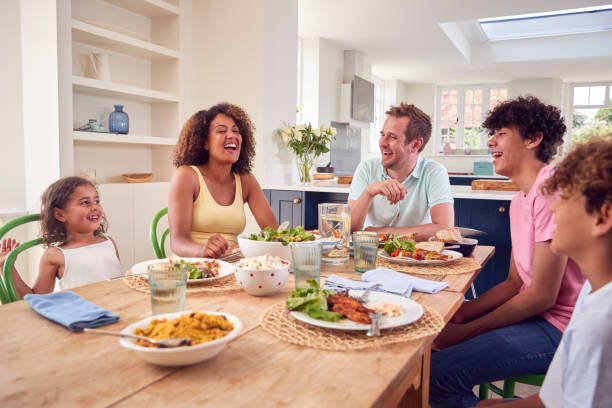
Some examples of family rituals:
- A special handshake before school drop-off
- Sunday morning pancakes where everyone helps
- A birthday tradition where the birthday person picks dinner and a movie
- A yearly camping trip to the same spot
- Reading together before bed as a “this is our time” moment, not just a task
The beauty is that these don’t need to look like anyone else’s traditions. They just need to feel like yours.
Why Family Rituals Matter More Than You Think
Let’s be real. When life gets busy, rituals feel like the first thing to drop. Soccer practice, work deadlines, homework… who has time for a “special thing” every week?
But here’s the thing. Research tells us that those small, repeated moments of connection are exactly what kids need to feel secure and grounded.
They Give Kids a Sense of Identity
Dr. Marshall Duke and Dr. Robyn Fivush at Emory University did something fascinating. They created a “Do You Know?” scale, asking kids questions like: Do you know where your parents met? Do you know about a challenge your family overcame?
The result? Kids who knew more about their family story had higher self-esteem, a stronger sense of identity, and felt more in control of their lives.
Family rituals are how those stories get told. Around the dinner table. During holiday gatherings. On long drives to Grandma’s house.
When a child can say, “In our family, we always…” they’re not just describing a habit. They’re claiming an identity. And that sense of belonging runs deep.
They Build Emotional Security
Dr. Barbara Fiese, a researcher at Syracuse University, has spent years studying family rituals. Her work shows that children in families with consistent, meaningful rituals tend to have better emotional health, stronger social skills, and even improved academic performance.
Why? Because rituals are predictable. In a world that often feels chaotic and unpredictable to kids, knowing that “every Sunday we…” or “every night before bed we…” acts like an emotional anchor.
That predictability helps kids feel safe. And when kids feel safe, they’re free to grow, explore, and be themselves. This connects closely to what secure attachment looks like in everyday life and how it shapes a child’s confidence.
They Strengthen Family Bonds
When you share a ritual, you share an experience. Over time, those shared experiences create inside jokes, warm memories, and a feeling of “we’re in this together.”
Honestly, it doesn’t matter if your ritual is elaborate or simple. What matters is that it happens regularly and everyone knows it’s “your family’s thing.”
If you’ve ever wondered whether quality time really matters more than quantity, family rituals are proof that it does. Even ten intentional minutes can be more meaningful than hours of distracted togetherness.
The Difference Between Rituals That Stick and Ones That Don’t
Ever tried to start a new family tradition and had it fizzle out after two weeks? You’re definitely not alone.
Here’s what makes the difference.
1. Keep It Simple
The rituals that last aren’t complicated. They don’t require special ingredients, supplies, or hours of prep time.
Think:
- A five-minute “highs and lows” conversation at dinner
- A silly dance in the kitchen while cooking
- Walking the dog together after dinner every evening
If a ritual feels like another chore on your to-do list, it won’t survive. It needs to feel good.
2. Let It Grow Naturally
Some of the best family rituals aren’t planned at all. They just happen. Someone cracks a joke one evening and it becomes “your thing.” You stumble upon a great hiking trail and suddenly it’s your annual New Year’s Day adventure.
Pay attention to the moments your family naturally gravitates toward. Those are your rituals waiting to be named.
3. Protect the Time
This is the hard part. Life will constantly try to crowd out your rituals. There will always be something that feels “more important” or “more urgent.”
But here’s what I’ve noticed: the families who maintain their rituals don’t do it because they have more free time. They do it because they’ve decided it matters.
You don’t need to be rigid about it. If pizza Friday happens on Saturday this week, that’s perfectly fine. The point is that it happens. For working parents balancing packed schedules, even small, protected rituals can make a world of difference.
4. Involve Everyone
A ritual imposed by one person feels like a rule. A ritual created together feels like something everyone owns.
Ask your kids what they’d enjoy. Let them help shape the tradition. When they have a say, they’re naturally more invested in showing up.
Family Rituals for Every Stage
What works for a family with toddlers won’t necessarily work for a family with teenagers. And that’s perfectly okay. Rituals can and should evolve as your family grows.
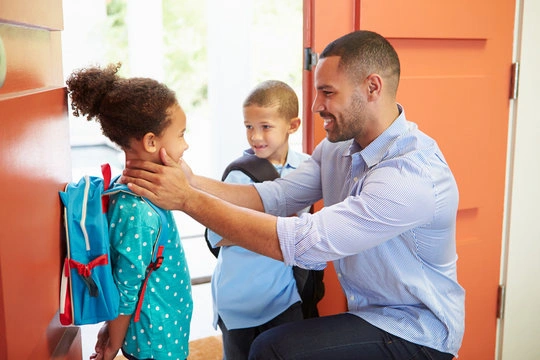
For Families with Young Children (Ages 0–5)
Little kids love repetition. They thrive on knowing what comes next. This is the perfect age to start simple daily rituals.
Ideas:
- A special goodbye phrase or handshake at daycare drop-off
- “Silly story time” before bed where you make up stories together
- A weekly baking session, even if it’s cookies from a box mix
- A song you always sing together in the car
- A weekend morning snuggle routine with everyone piled on the couch
These tiny moments build what researchers call a “foundation of felt safety.” They tell your child, “You can count on this. You can count on me.”
For Families with School-Age Kids (Ages 6–12)
This is the golden age for family rituals. Kids are old enough to participate fully and young enough to still be enthusiastic about family time.
Ideas:
- A weekly family game night where kids pick the game
- A monthly “adventure day” where someone chooses the activity
- A gratitude practice at dinner, sharing one good thing from the day
- A family movie night with a special snack tradition
- A yearly “birthday interview” where you ask the same questions each year and keep the answers
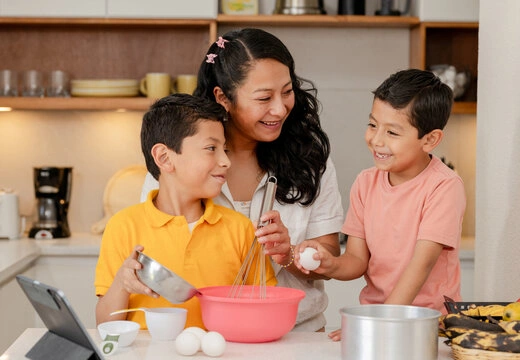
Looking for more screen-free ideas? Check out these 50 simple activities to connect with your child for fresh inspiration.
For Families with Teenagers (Ages 13–18)
Okay, this is where it gets tricky. Teens pull away. That’s normal and healthy. But rituals give them a way to stay connected without it feeling forced or awkward.
Ideas:
- A weekly drive to grab coffee or a treat together (car conversations are gold for teens)
- A family cooking night where the teen picks the recipe
- A tradition of writing letters to each other on birthdays
- A yearly trip, even a short weekend getaway
- A show you watch together every week, no phones allowed
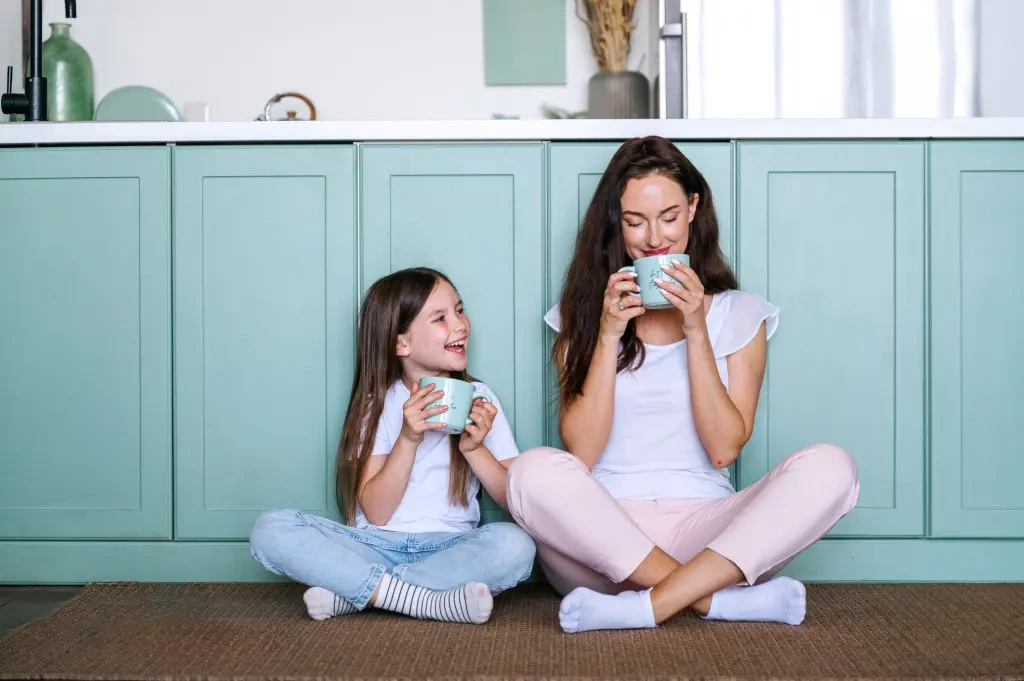
The key with teens? Don’t force it. Make it an invitation, not an obligation. And respect when they need space. If you’re navigating this stage, you might find some helpful perspective on bonding with a teenager who doesn’t want to talk.
What If You Didn’t Grow Up with Family Rituals?
This question comes up more than you’d think. And if your own childhood didn’t include consistent family traditions, starting them can feel awkward or even a little emotional.
That’s completely normal.
You might feel like you’re “making it up” or worry it won’t feel authentic. But here’s the honest truth: every single family ritual started somewhere. Someone decided to do something, and then they did it again. And again. And eventually, it became “their thing.”
You don’t need to copy someone else’s traditions. You get to create your own from scratch. That’s actually a pretty beautiful thing.
If you’re curious about how your own upbringing shapes the way you parent today, exploring how your childhood affects your bonding style can be really eye-opening.
When Rituals Get Disrupted
Life happens. Moves, separation, illness, job changes… sometimes your rituals get interrupted or broken entirely.
This can feel surprisingly painful. Kids often grieve the loss of a tradition more deeply than adults realize.
If your family is going through a transition, here are a few thoughts:
- Acknowledge the change. “I know we used to do Friday movie night at Dad’s house. Things are different now, but let’s create a new version together.”
- Keep what you can. Even when everything else shifts, keeping one or two familiar rituals gives kids a thread of continuity and comfort.
- Create new ones together. Transitions are also fresh starts. What new ritual could this next chapter bring?
If things got tense during a hard season and you lost your temper with your kids, rebuilding a small ritual together can actually be a powerful way to repair and reconnect.
Small Rituals, Big Impact
I want to be really clear about something. Your family rituals don’t need to be Instagram-worthy. They don’t need to be expensive, elaborate, or perfect.
Some of the most powerful rituals are tiny:
- A wink across the room that means “I love you”
- Three questions you ask every single bedtime
- The way you celebrate the first snow of winter together
- A special meal you always cook on the first day of school

These small moments weave together over time and create something much bigger than any single event: a family identity. A sense of belonging. A deep feeling that says, “No matter what happens out there, we have this.”And honestly? That feeling of belonging is one of the most lasting gifts you can give your child.
Frequently Asked Questions
How many family rituals should we have?
There’s no magic number. Even one consistent ritual can make a real difference. Start with something that feels natural and build from there. Quality definitely matters more than quantity.
What if my partner and I have different ideas about family traditions?
That’s actually a good thing. It means you get to blend two backgrounds and create something entirely new. Talk about which traditions mean the most to each of you, and find common ground that feels right for your family.
Can family rituals be spontaneous?
Absolutely. Some of the best rituals start as spontaneous moments you decide to repeat. The key ingredient is consistency over time, not careful planning.
What if my kids resist our family rituals?
This is common, especially with older kids and teens. Try involving them in choosing or modifying the ritual. Resistance often comes from feeling forced into something. When kids have ownership and a voice, they’re much more willing to show up.
Do family rituals really affect kids long-term?
Yes. Research consistently shows that children who grow up with meaningful family rituals tend to have stronger emotional well-being, a clearer sense of identity, and healthier relationships. These effects can last well into adulthood.
Start Where You Are
You don’t need to overhaul your family’s entire schedule to start building family rituals. You just need to pick one thing, do it with intention, and keep doing it.
Maybe it’s a ten-minute bedtime conversation. Maybe it’s Saturday morning waffles. Maybe it’s a yearly tradition of picking the biggest pumpkin at the fall patch.
Whatever it is, make it yours. Because twenty years from now, your kids won’t remember every random Tuesday. But they’ll remember the things you did together that made them feel like they belonged.
And that? That’s what family identity is all about.






- Be Respectful
- Stay Relevant
- Stay Positive
- True Feedback
- Encourage Discussion
- Avoid Spamming
- No Fake News
- Don't Copy-Paste
- No Personal Attacks
- Be Respectful
- Stay Relevant
- Stay Positive
- True Feedback
- Encourage Discussion
- Avoid Spamming
- No Fake News
- Don't Copy-Paste
- No Personal Attacks
