How Fast Scrolling Social Media Affects Child Brain Development
Published: 5 Apr 2026
If you’ve ever watched your child swipe through short videos at lightning speed and thought, this can’t be great for their brain, you’re not overreacting.
The truth is, social media brain development is a real concern for many parents, teachers, and child experts. Fast-scrolling content can affect attention, sleep, emotional regulation, impulse control, and even how a child handles boredom. That doesn’t mean every screen is harmful or that your child is doomed. Not even close.
Here’s the thing: children’s brains are still being built. Their ability to focus, wait, reflect, manage feelings, and make good choices develops over time. And fast, endless, rewarding content can push in the opposite direction.
Let’s talk about what’s really going on, what signs to watch for, and what you can do that actually helps.
Why children’s brains are especially sensitive to fast-scrolling content
A child’s brain is highly adaptable. That’s amazing in many ways. It’s how kids learn language, social skills, emotional control, and problem-solving.
But that same adaptability also means repeated habits shape the brain.
Fast-scrolling social media is designed to keep attention moving. There’s always another video, another image, another laugh, another surprise. Kids don’t need to search, wait, or think much before the next piece of content appears.
That matters because healthy child development depends on skills like:
- sustained attention
- frustration tolerance
- working memory
- self-control
- emotional regulation
- reflective thinking
When a child gets used to constant novelty and quick rewards, slower real-life tasks can start to feel painfully dull.
Homework feels harder. Reading feels slower. Waiting feels unbearable. Even play can feel “not fun enough” unless it’s highly stimulating.
What fast scrolling does to the developing brain
1. It trains the brain to expect constant stimulation
Short-form content moves fast. Every few seconds, there’s a new face, sound, joke, idea, or emotional hit.
Over time, this can train the brain to crave novelty. A child may struggle more with quiet activities that require patience, like:
- reading
- building with blocks
- drawing
- listening in class
- independent play
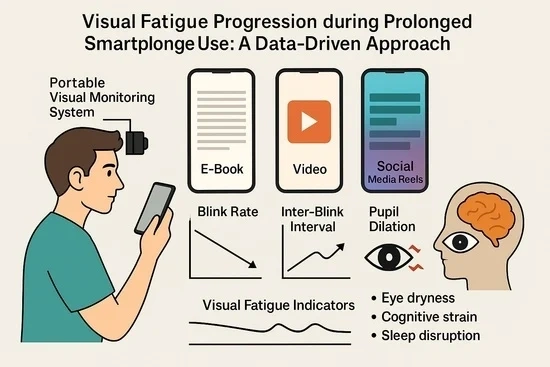
Honestly, this is one of the biggest issues parents notice first. Their child isn’t always “misbehaving.” Sometimes their brain has simply gotten used to a much higher level of stimulation.
2. It may affect attention span
Researchers are still studying the long-term effects, but many experts agree that rapid media switching can make sustained attention harder.
Psychologist Dr. Jenny Radesky, who studies children’s media use, has warned that fast-paced digital content may make it harder for young children to practice the deep attention needed for learning and self-regulation.
That doesn’t mean social media directly “causes ADHD.” That’s too simplistic. But it may worsen attention challenges in some children, especially those already sensitive to distraction.
3. It activates reward pathways again and again
Fast-scrolling apps often trigger the brain’s reward system. Kids get tiny bursts of pleasure from novelty, humor, social approval, or emotional excitement.
This reward loop can make it harder to stop.
A child may say:
- “Just one more”
- “I’m bored” right after turning it off
- “Nothing else is fun”
Let’s be real, adults do this too. The difference is that children have less impulse control and fewer tools to regulate themselves.
4. It can interfere with emotional regulation
Many short videos are emotionally intense. They’re funny, dramatic, weird, exciting, upsetting, or hyper-stimulating.
That emotional speed gives kids less time to process what they’re seeing. Some children become more irritable, reactive, or emotionally “jangled” after a lot of scrolling.
They may seem:
- cranky
- wired
- more likely to melt down
- restless
- unable to settle into calm play
This matters because emotional regulation is a major part of healthy brain development.
5. It may disrupt sleep
Sleep is one of the most important parts of child brain development. It supports memory, learning, mood, and behavior.
Social media can interfere with sleep in a few ways:
- blue light can delay melatonin release
- stimulating content makes it harder to wind down
- late-night scrolling cuts into total sleep time
- emotional content can keep the mind active
According to the American Academy of Pediatrics, media use before bed is linked to poorer sleep in children and teens. And poor sleep can make everything else harder, including attention, mood, and learning.
Signs social media may be affecting your child’s brain and behavior
Every child is different. Some can handle occasional short-form content with little impact. Others show changes quickly.
You may want to pay closer attention if you notice:
Attention and learning signs
- trouble focusing on homework
- less interest in books or slower activities
- constantly switching tasks
- difficulty following multi-step instructions
Emotional signs
- more irritability after screen time
- intense reactions when asked to stop
- mood swings
- low frustration tolerance
Behavior signs
- sneaking devices
- constant asking for screens
- inability to handle boredom
- less imaginative play
Physical and sleep signs
- trouble falling asleep
- tiredness in the morning
- reduced physical activity
- headaches or eye strain
A single bad day doesn’t mean there’s a major problem. Look for patterns.
Why some children are more affected than others
Not all kids respond to fast-scrolling content the same way.
Some factors that can make a child more vulnerable include:
- younger age
- existing attention challenges
- anxiety
- impulsivity
- poor sleep habits
- lots of unsupervised screen time
- fewer offline routines and activities
Children with developing self-control may have the hardest time stopping once they start. That’s not a character flaw. It’s brain maturity.
The problem isn’t just screen time. It’s screen type
This is important.
Not all screen use affects kids in the same way.
A video call with grandparents is not the same as endless short clips. Watching a calm educational show is not the same as rapid-fire social media. Creating digital art is not the same as algorithm-driven scrolling.
When parents hear “screens are bad,” it creates guilt and confusion. A better question is:
What kind of screen experience is this?
Ask yourself:
- Is it fast or slow?
- Passive or interactive?
- Creative or consuming?
- Calming or overstimulating?
- Socially meaningful or addictive?
That shift helps a lot.
How social media brain development affects real life skills
Focus and school performance
Children need practice with sustained attention. Reading, writing, listening, and problem-solving all depend on it.
If a child’s brain gets used to quick rewards, classroom learning may feel frustrating by comparison.
Related reading from our library: How to Improve Your Child’s Problem-Solving Skills at Any Age
Boredom tolerance and creativity
Boredom isn’t the enemy. It’s often the starting point for creativity.
When kids always escape boredom with fast entertainment, they miss chances to invent games, explore ideas, and build internal motivation.
Related reading: 10 Fun Games That Boost a Toddler’s Cognitive Development
Social and emotional growth
Children learn empathy, conversation, and emotional cues through real human interaction.
Scrolling can crowd out time for:
- face-to-face play
- family conversation
- outdoor exploration
- pretend play
- emotional coaching
Related reading: How to Teach Empathy: A Guide for Raising Emotionally Intelligent Kids
What parents can do without turning the house into a battlefield
You do not need to ban every device forever.
What helps most is creating a healthier rhythm.
1. Delay social media when possible
The younger the child, the more vulnerable the brain is to fast, addictive design.
If your child is still young, delaying access to social media apps can genuinely help protect attention, sleep, and emotional development.
2. Set limits around short-form content
Try specific boundaries instead of vague ones.
For example:
- no scrolling before school
- no devices during meals
- no social media an hour before bed
- short, planned screen windows instead of endless access
Clear limits are easier for kids to handle than unpredictable ones.
3. Replace, don’t just remove
If you only take the screen away, the power struggle gets bigger.
Offer alternatives that meet the same need:
- movement when they need stimulation
- crafts when they need novelty
- audiobooks when they need input
- outdoor play when they feel restless
- family games when they want connection
4. Protect sleep like it’s sacred
Because it kind of is.

Keep devices out of bedrooms if possible. Create a calming bedtime routine. If your child uses a screen at night, make it slow and low-stimulation, not fast-scrolling social media.
5. Watch with curiosity, not just fear
Ask:
- What do you like about this?
- How do you feel after watching it?
- Does this make your brain feel calm or busy?
These simple conversations build self-awareness. That matters more than many parents realize.
6. Model healthier habits yourself
Kids notice everything.
If we’re checking our phones every quiet moment, it’s hard to convince them that boredom is okay. You don’t need to be perfect. Just let them see you read, rest, chat, cook, walk, and exist without a screen in your hand.
7. Rebuild your child’s tolerance for slower life
This takes time, but it works.

Start with small chunks of slower activity:
- 10 minutes of reading
- 15 minutes outside
- simple chores
- coloring
- building toys
- quiet play
At first, your child may complain that it’s boring. That’s normal. Their brain is adjusting.
A simple reset plan if scrolling already feels out of control
If social media use has gotten intense, try this gentle reset:
Step 1: Notice the biggest trigger times
Is it after school? Before bed? During car rides? On weekends?
Step 2: Shrink access
Remove apps from one device, use parental controls, or keep devices in shared spaces.
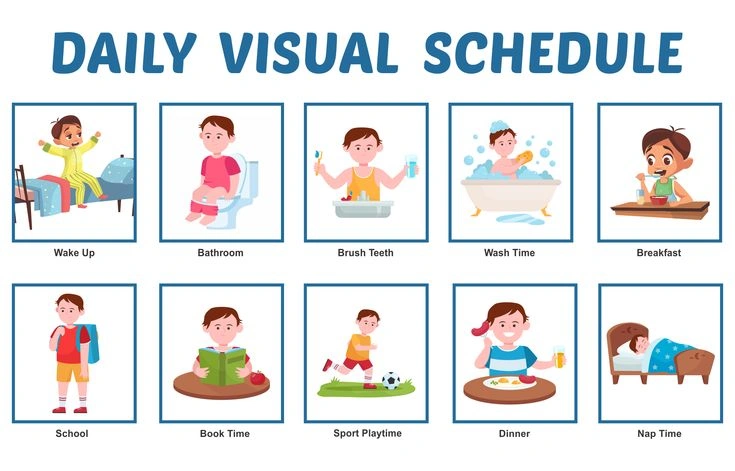
Step 3: Add anchors to the day
Kids do better with predictable rhythms:
- meals
- outdoor time
- homework
- play
- bedtime
Step 4: Expect pushback
If your child is used to a lot of stimulation, they may get upset at first. That doesn’t mean the limit is wrong.
Step 5: Stay calm and steady
You don’t need long lectures. Just consistent boundaries and warmth.
What the research really suggests
We still need more long-term studies, especially as apps keep changing. But the pattern is strong enough to take seriously.
Experts in child development, pediatrics, and psychology keep pointing to similar concerns:
- overstimulation
- reduced attention control
- sleep disruption
- emotional dysregulation
- displacement of healthy developmental activities
Professor Sonia Livingstone, a well-known researcher on children and digital media, often emphasizes that the impact depends on the child, the content, the context, and how media fits into everyday life.
That’s a helpful way to think about it. This isn’t just about minutes on a screen. It’s about what that screen use is replacing and how it shapes daily habits.
FAQ
Does social media damage a child’s brain permanently?
There’s no evidence that occasional use automatically causes permanent damage. But heavy, fast-scrolling use can shape attention, sleep, mood, and behavior in ways that affect development over time.
At what age should kids have social media?
Many experts recommend delaying social media as long as possible, especially for younger children. Readiness depends on maturity, self-control, and the ability to handle online content and limits.
Is YouTube Shorts or TikTok worse than regular TV?
Fast-scrolling, short-form content is often more stimulating than regular TV because it changes quickly and encourages endless consumption. That rapid pace can be harder on developing attention and self-regulation.
Can reducing screen time improve behavior?
Yes, many parents notice better sleep, calmer moods, and improved focus when fast, overstimulating content is reduced. Changes may take a little time, especially if your child is very used to constant scrolling.
What should kids do instead of scrolling?
Good alternatives include outdoor play, books, art, puzzles, music, pretend play, sports, family conversation, and hands-on hobbies. The goal is not just less screen time, but more brain-building experiences.
Final thoughts
If you’re worried about fast-scrolling social media and your child’s brain, you’re not being dramatic. You’re paying attention.
The good news is that children’s brains are flexible. Small changes can make a real difference. Better sleep, fewer fast-scroll sessions, more play, more conversation, more boredom, more real life. It all adds up.
You don’t need a perfect home. You just need a steady one.
And if things feel a bit off right now, that doesn’t mean you’ve failed. It just means this is a good time to reset.





- Be Respectful
- Stay Relevant
- Stay Positive
- True Feedback
- Encourage Discussion
- Avoid Spamming
- No Fake News
- Don't Copy-Paste
- No Personal Attacks
- Be Respectful
- Stay Relevant
- Stay Positive
- True Feedback
- Encourage Discussion
- Avoid Spamming
- No Fake News
- Don't Copy-Paste
- No Personal Attacks
