The Invisible Teacher: How Culture Shapes Your Child’s Values and Behaviors
Published: 1 May 2026
Have you ever stopped to wonder why your child reacts to a “no” in a specific way, or why they seem to value sharing more than their peers might? While personality plays a huge role, there is a silent, powerful force working in the background from the moment they are born. This force is culture.
Culture is often described as the “water we swim in.” We do not always notice it because it is everywhere. For a child, culture is the primary blueprint for how to exist in the world. It dictates what is considered “good,” what is seen as “polite,” and what it means to be a successful human being.
In this guide, we are going to look deeper than just surface-level traditions. We want to understand how the environment you provide and the community you belong to actually wire your child’s social and emotional responses.
The Concept of the “Social Scaffold”
To truly understand this, we can look to the work of Dr. Lev Vygotsky, a seminal psychologist who focused on social development. Vygotsky introduced a concept known as the “Sociocultural Theory.” His big idea was that children do not just grow up in a vacuum. Instead, their cognitive development is fundamentally a social process.
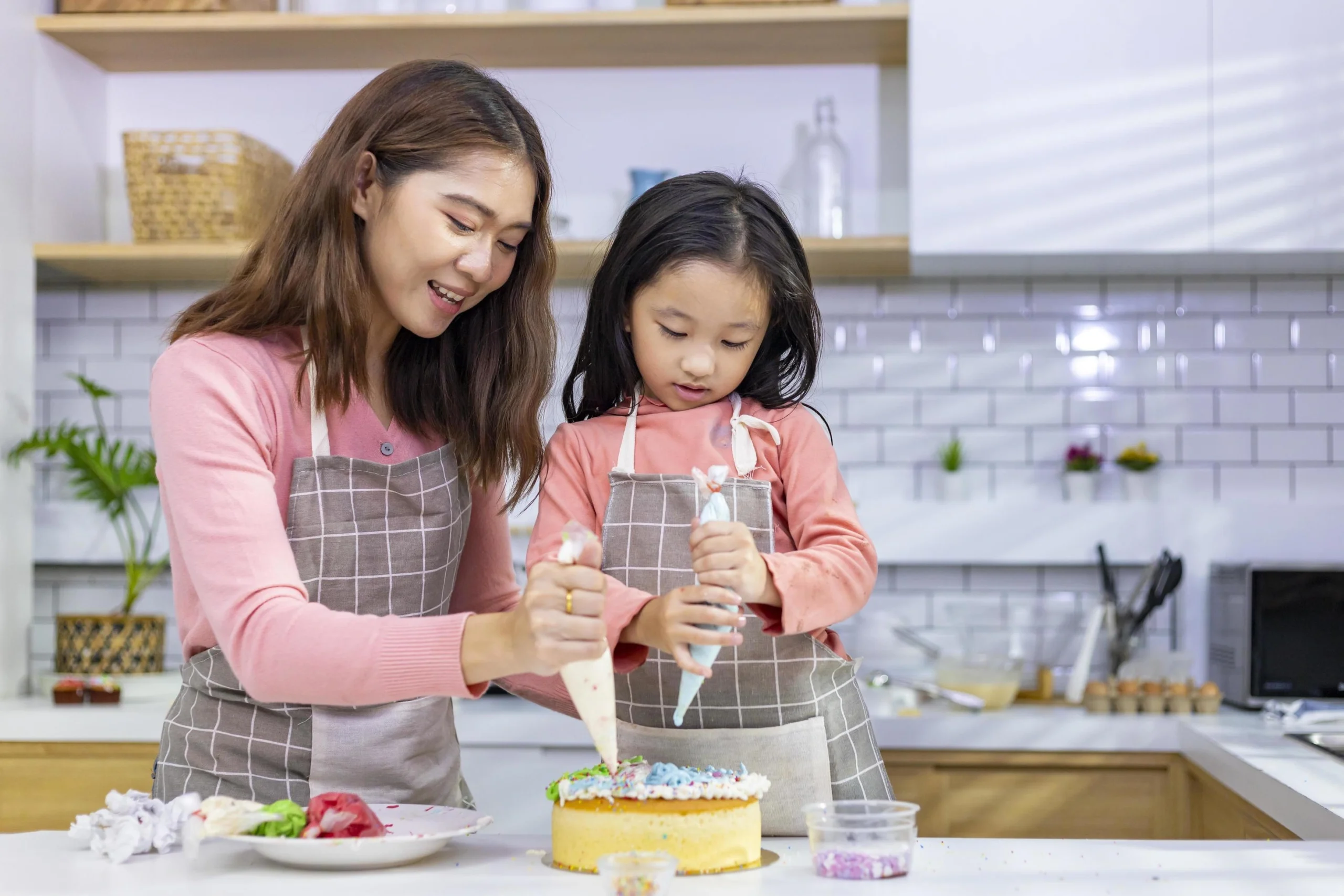
Vygotsky argued that children learn through “scaffolding.” Just like a builder uses a scaffold to reach higher parts of a house, a child uses the tools of their culture, such as language, customs, and social norms, to reach higher levels of understanding. Have you noticed how your child mimics your tone of voice or your reaction to a stranger? That is the scaffold in action. They are literally “borrowing” your cultural reactions until those reactions become their own.
How Culture Defines “The Good Child”
Every culture has an unwritten definition of what a “good child” looks like. In many Western cultures, such as in the United States or Western Europe, there is a heavy emphasis on Individualism. In these settings, parents often prioritize a child’s independence, self-expression, and personal achievements. The goal is to raise a child who can stand on their own two feet and speak their mind.
Conversely, many Eastern, African, and Latin American cultures lean toward Collectivism. In these societies, the “good child” is one who is helpful, respectful of elders, and deeply connected to the family unit. The focus is on harmony rather than personal spotlight.
Neither approach is better than the other, but they create very different behaviors. A child raised in an individualistic culture might be more comfortable leading a group, while a child from a collectivist culture might be much better at mediating conflict and ensuring everyone in the group feels included.
Also Read: How Culture Affects Child Development: What Parents Should Know
Communication Styles and Social Behavior
Culture also acts as a manual for communication. This goes far beyond the language your child speaks; it includes the way they use their body and eyes.
For example, in many Indigenous and Asian cultures, direct eye contact with an adult can be seen as a sign of defiance or disrespect. A child who looks down when being scolded is actually showing deep respect. However, a teacher from a culture that values direct eye contact might interpret that same behavior as being “shifty” or “dishonest.”

Can you see how easy it is for a child’s behavior to be misunderstood if we do not account for their cultural background?
Culture also influences how children express their needs. Some cultures encourage “expressive” communication, where kids are taught to be loud, passionate, and emotive. Other cultures value “restraint,” teaching children that keeping a calm, neutral face is a sign of maturity and strength.
The Role of Authority and Respect
How does your child view the adults in their life? This is another area where culture holds the pen.
In many cultures, the hierarchy is very clear. Children are taught that elders hold the wisdom, and their word is final. This often results in kids who are exceptionally well-behaved in formal settings but might struggle when asked to “challenge” an idea in a creative brainstorming session.
On the other side of the spectrum, some cultures promote a more “egalitarian” relationship between parents and children. Here, children are encouraged to ask “why” and negotiate. While this builds incredible problem-solving skills, it can sometimes lead to friction in environments that require strict adherence to rules.
Borrowed Expertise: The Power of Cultural Dimensions
To add more weight to this, we can look at the research of Dr. Geert Hofstede. While he originally studied cultures in the workplace, his “Cultural Dimensions” theory applies beautifully to the home.
One of his key concepts is “Power Distance.” This refers to how much a society accepts that power is distributed unequally. In a “High Power Distance” culture, children are raised to respect authority without question. In a “Low Power Distance” culture, children are raised to see themselves as equals to the adults around them.
If you find yourself frustrated that your child is constantly “talking back,” it might be helpful to ask: am I raising them in a culture that values their voice more than their compliance? Understanding this can change your frustration into an observation of their developmental growth.
Navigating Biculturalism
Many families today are “multicultural.” Perhaps you are raising your children in a country different from where you grew up, or you and your partner come from two different backgrounds.
This can be a beautiful challenge. These children are often called “Third Culture Kids.” They are essentially building a brand-new culture of their own by blending yours and their environment’s. They might value the independence they see at school while still maintaining the deep respect for family they learn at home.
The key for parents in this situation is to be the “translator.” Help your child understand that different “rules” apply in different settings. This flexibility is actually a massive cognitive advantage that will help them as they grow into adults.
Common Questions (FAQ)
Does culture affect when a child reaches milestones?
Yes, but usually in minor ways. For example, in cultures where babies are carried in slings most of the day, they might walk slightly later than babies who are given lots of floor time. However, they often develop social cues and language awareness much earlier because they are at eye level with adults all day.
Can a child “lose” their culture?
Culture is fluid. While a child might not follow every tradition you grew up with, the core values you instill at home (the way you treat people, the way you handle emotions) will always be a part of their “inner compass.”
How do I teach my child about other cultures?
The best way is through empathy and exposure. Showing interest in how others live and explaining the “why” behind their behaviors helps your child develop a broad, inclusive worldview.
Is my child’s stubbornness cultural or just their personality?
It is usually a mix of both. Personality is the “seed,” but culture is the “soil” it grows in. A naturally assertive child will express that assertiveness differently depending on whether their culture rewards or discourages it.
Finding the Balance
Understanding the role of culture is not about putting your child in a box. It is about giving yourself a set of tools to understand who they are becoming. When we see our children’s behaviors through a cultural lens, we become more patient and more effective as parents.
By recognizing the invisible blueprint of culture, you are not just raising a child; you are raising a person who understands their place in a vast, diverse world. How will you celebrate your family’s unique cultural “water” today?





- Be Respectful
- Stay Relevant
- Stay Positive
- True Feedback
- Encourage Discussion
- Avoid Spamming
- No Fake News
- Don't Copy-Paste
- No Personal Attacks
- Be Respectful
- Stay Relevant
- Stay Positive
- True Feedback
- Encourage Discussion
- Avoid Spamming
- No Fake News
- Don't Copy-Paste
- No Personal Attacks
