Family Rituals: The Secret Ingredient Behind a Strong Family Identity
Published: 3 May 2026
There is a family somewhere who makes homemade pizza every Friday night. The kids know the job assignments. Dad handles the dough. The youngest gets to sprinkle the cheese. Nobody decided this was important. It just became important quality time over quantity.
And here is the thing: that pizza night is doing more for those kids than anyone in that kitchen probably realizes.
Family rituals, whether they are elaborate or laughably simple, are one of the most powerful and underused tools in a parent’s toolkit. They are not about being the fun family or the Pinterest-perfect family. They are about something much deeper: giving your children a felt sense of who we are and where they belong.
That feeling? Research shows it follows kids for the rest of their lives.
First, What is the Difference Between a Ritual and a Routine?
This distinction matters, and most people get it wrong.
A routine is functional. It gets things done. Brushing teeth before bed is a routine. Buckling seatbelts is a routine. Routines reduce friction and create predictability, which children do need, but they carry no particular emotional charge. Nobody feels nostalgic about brushing their teeth.
A ritual is different because of the meaning layered on top of it. It is the same action, repeated, but it carries a sense of “this is us.” It is recognized, named, and felt. It might have its own inside language, a specific order of events, or a silly detail that only your family understands. That shared meaning is what transforms a habit into an identity marker.
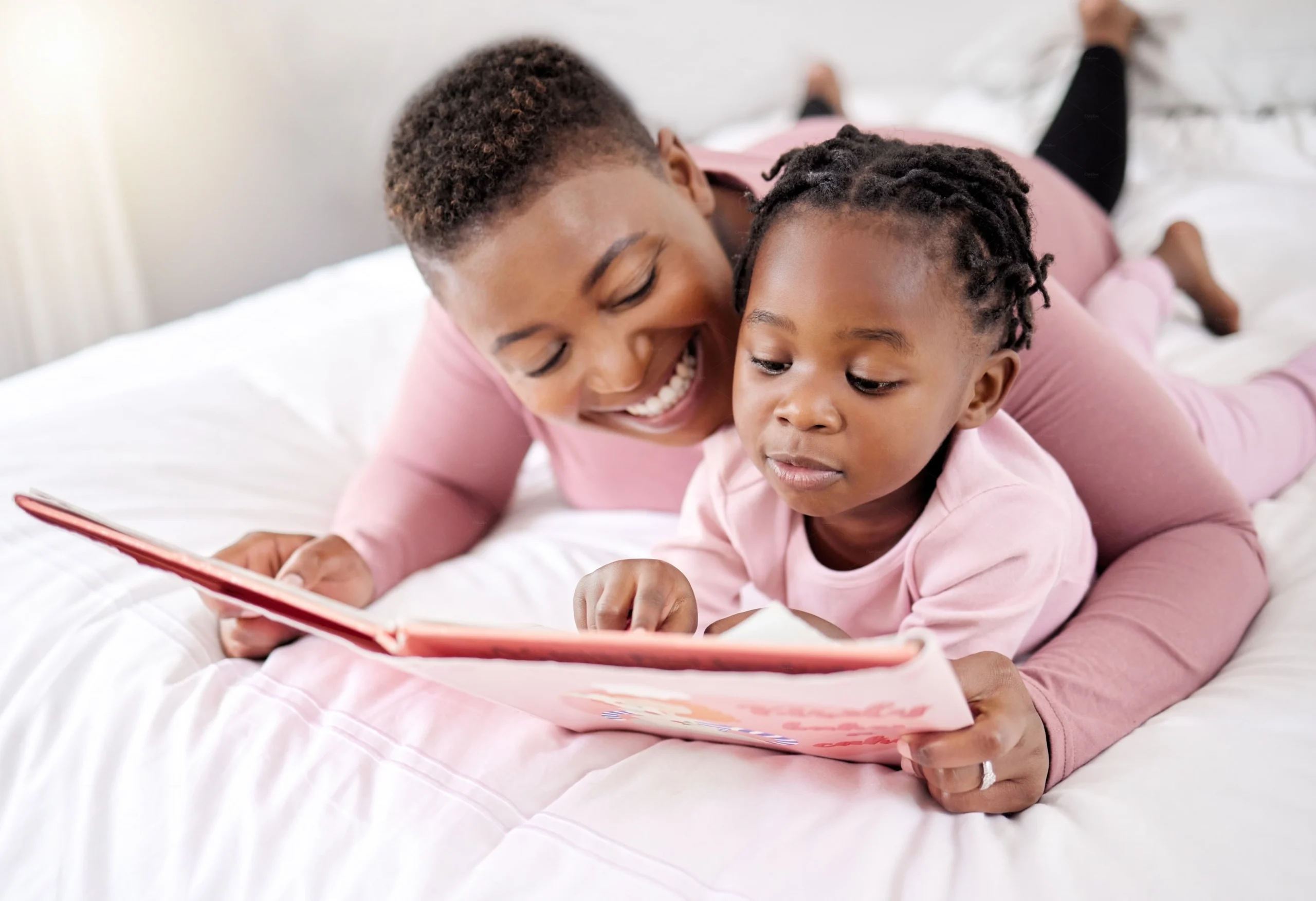
Think about it this way: a bedtime routine gets a child to sleep. A bedtime ritual, where you always end with the same question (“What was the best part of your day?”) or the same song, builds a child’s sense of emotional safety and connection to the family unit.
One is logistical. The other is relational.
What the Research Actually Says
Here is where it gets genuinely fascinating.
Dr. William Doherty, a family therapist and professor at the University of Minnesota, has spent decades studying what makes families resilient. He argues that family rituals are not nice-to-haves. They are psychological necessities. In his book The Intentional Family, Doherty writes that without deliberate rituals, families tend to drift, pulled apart by the centrifugal forces of modern life: screens, schedules, and individual pursuits.
His research points to three things rituals provide that nothing else reliably delivers:
1. A secure sense of attachment. When a child can predict that this is what our family does, they feel held by something larger than themselves. They are not just a kid in a house. They are members of a specific, unique group.
2. A shared narrative. Rituals create the raw material of family stories. “Remember when the pizza dough hit the ceiling?” That story becomes part of the family’s mythology. That mythology becomes part of the child’s identity.
3. Emotional regulation anchors. Predictable, positive rituals literally help children’s nervous systems settle. When the world feels chaotic, the ritual says: this, at least, is stable.
A separate and widely cited study from Emory University, led by psychologist Dr. Marshall Duke and his colleague Dr. Robyn Fivush, found something remarkable. Children who knew more about their family’s history, including its stories, traditions, and shared rituals, showed significantly higher levels of emotional resilience and self-esteem. They called this a child’s “intergenerational narrative,” and it turns out to be one of the strongest predictors of a child’s psychological wellbeing they could find.
Rituals are the engine that keeps that narrative alive.
The Three Types of Family Rituals Worth Building
Not all rituals look the same, and you do not need all three to start. But knowing the categories helps you see where the gaps might be in your family’s current rhythm.
1. Daily Connection Rituals
These are small, repeated moments woven into the existing fabric of your day. They do not require planning or a calendar reminder. They just need intention and screen-free ways to connect with your child.
Examples:
- A specific greeting when a child gets home from school (a handshake, a hug, a silly question you always ask)
- A consistent phrase at bedtime (“I love you to the moon, no matter what”)
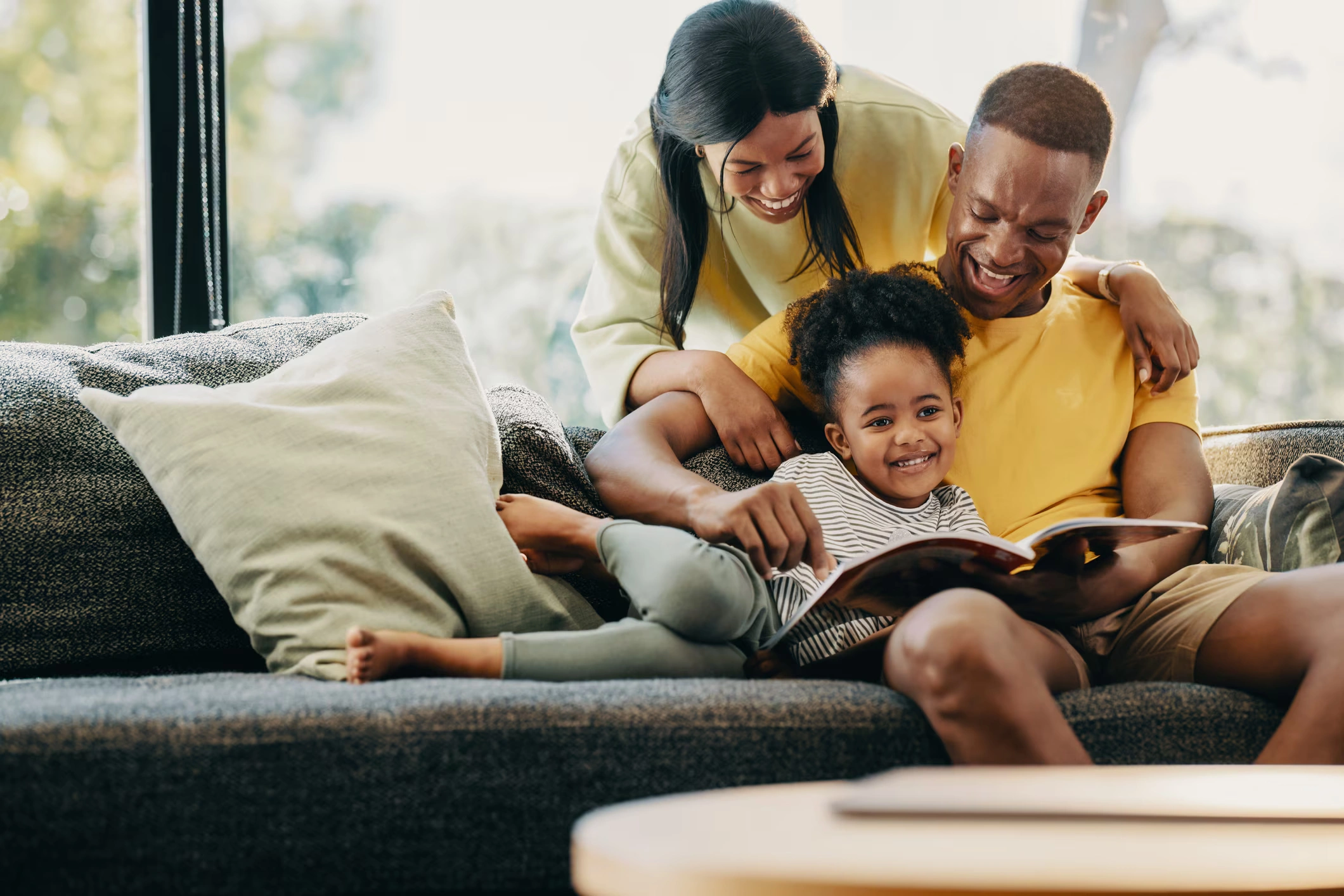
- Reading together for ten minutes before lights out, every night
- A family dinner where phones stay in a drawer and everyone shares one good thing
The power here is in the repetition. These small moments stack up. Over years, they become the texture of a childhood.
2. Weekly or Seasonal Rituals
These have a slightly larger footprint and often become the landmarks kids use to orient their sense of time and family life.
Examples:
- Saturday morning pancakes where the kids help cook
- Sunday drives with no destination planned
- A family movie night with rotating movie-picker responsibility
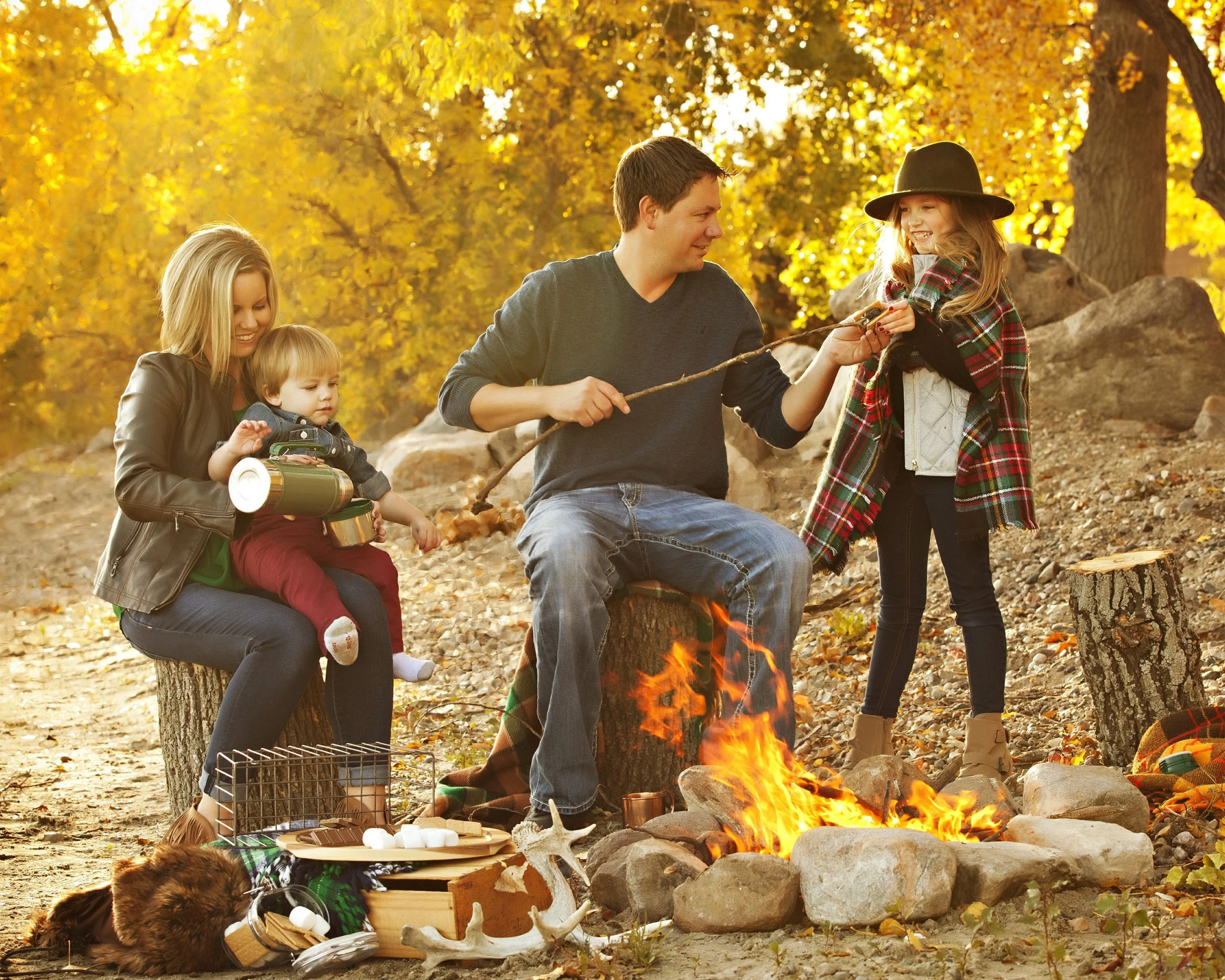
- Seasonal rituals: picking pumpkins every October, a summer “first day of summer break” tradition, a new-year goal-setting dinner
Do not underestimate the seasonal ones. They are the traditions kids most often carry into their own adult lives and future families.
3. Transition and Milestone Rituals
These mark significant changes: birthdays, the start of a new school year, the loss of a pet, moving to a new home. Transition rituals are some of the most emotionally important because they help children process change within the safety of family structure.
A birthday might always start with a special breakfast made by the birthday person’s request, and end with each family member sharing one thing they love about them. A first-day-of-school photo in the same spot on the front porch, every year, kindergarten through graduation. A goodbye ritual when a grandparent passes.
These moments tell your child: even when things change, we face them together, and we do it in a way that is ours.
How to Build Rituals That Actually Stick
Here is the honest truth: you can not force a ritual into existence. You can only plant the conditions and tend them.
A few principles that help:
Start smaller than you think you need to. A ritual that is too elaborate becomes a performance and a burden. The best ones are almost embarrassingly simple. “Every Sunday we go for a walk” can carry just as much meaning as a complicated tradition if it is done consistently and with presence.
Let it emerge organically, then name it. Some of the most beloved family rituals started as accidents. Something happened, it felt good, you did it again. At some point, you named it: “This is our thing.” That naming is what seals it as a ritual rather than a coincidence.
Involve the kids in creating them. Especially with older children, co-created rituals carry more weight. Ask your family: “Is there something we do that you want to make sure we always do?” You might be surprised what they say. You might also find out that the thing you thought was unremarkable to them is actually their favorite part of the week.Protect them like appointments. A ritual that gets cancelled every time something more urgent comes up will stop being a ritual. It will become a nice idea. Guard your rituals. Let your kids see that you guard them. That act alone communicates value
Common Questions About Family Rituals
What if our family does not really have any rituals? Are we behind?
Not at all. Rituals can be built at any stage, including when kids are teenagers. The starting point is noticing what you already do consistently and deciding to make it intentional, or simply choosing one small new thing and committing to it for a month. It does not need a launch announcement. Just start.
Do family rituals have to involve everyone?
Ideally, yes, because shared participation is what builds shared identity. But one-on-one rituals between a parent and a specific child are also incredibly valuable. A monthly “date night” with each kid, or a specific inside joke you share with just one of them, can be just as connecting.
What if my kids resist the ritual?
Especially with teenagers, resistance is common and normal. Do not abandon the ritual entirely. Modify it, make it less demanding, keep showing up to it yourself. Often, the teens who roll their eyes at the Friday dinner ritual are the ones who, at 25, will tell their partner: “In my family, we always…”
We are a divorced or blended family. Can rituals still work for us?
Absolutely. Two households can each have their own distinct rituals, and children often find real comfort in the fact that each home has its own reliable culture. The key is consistency within each environment, not uniformity between them
The Bigger Picture
Here is a question worth sitting with: when your kids are grown, what do you want them to remember about growing up in your home? Not the vacations, necessarily, or the gifts. Research consistently shows children remember the texture of daily life: the feeling of being known, the moments of laughter and warmth, the things that made their family feel like their family.
Rituals create that texture.
You do not have to overhaul your family life. You do not have to be an intentional parenting guru or a craft project enthusiast. You just have to pick one small, repeatable moment and show up to it, again and again, with some warmth and presence.
That is enough. That is more than enough.
Starting tonight. Maybe it is as simple as asking, at dinner, “What was the hardest part of your day?” every single time. It might feel awkward the first week. By the third month, your kids will answer before you even finish the sentence.
That is a ritual. And it will matter long after they have forgotten almost everything else.






- Be Respectful
- Stay Relevant
- Stay Positive
- True Feedback
- Encourage Discussion
- Avoid Spamming
- No Fake News
- Don't Copy-Paste
- No Personal Attacks
- Be Respectful
- Stay Relevant
- Stay Positive
- True Feedback
- Encourage Discussion
- Avoid Spamming
- No Fake News
- Don't Copy-Paste
- No Personal Attacks
