Early Years Child Development Training Made Simple
Published: 30 Oct 2025
What Is Early Years Child Development Training?
If you spend time with little kids or plan to, you’ve probably heard the phrase early years child development training. But what does that really mean?
Basically, it’s training that helps you understand how young children grow, learn, and express themselves from birth to around age 5 or 6. This is the phase where their brains are growing fast, like really fast. They’re picking up language, emotional skills, movement, curiosity and everything.
This training isn’t just for daycare workers or teachers. Parents, nannies, grandparents, babysitters, and family caregivers can all benefit. It gives you tools that make daily life smoother and helps kids grow in the best way possible.
Why These Early Years Matter So Much
These early years shape how kids see themselves, how they trust others, how they handle emotions, and how they explore the world. Their little brains are forming connections constantly almost like building the foundation of a house.
And when adults know how to respond to children during tantrums, tough mornings, or playtime kids feel safe and understood. That sense of safety becomes the base of learning, social skills, and confidence.
What Does Early Years Child Development Training Teach?
Most programs focus on a few key areas:
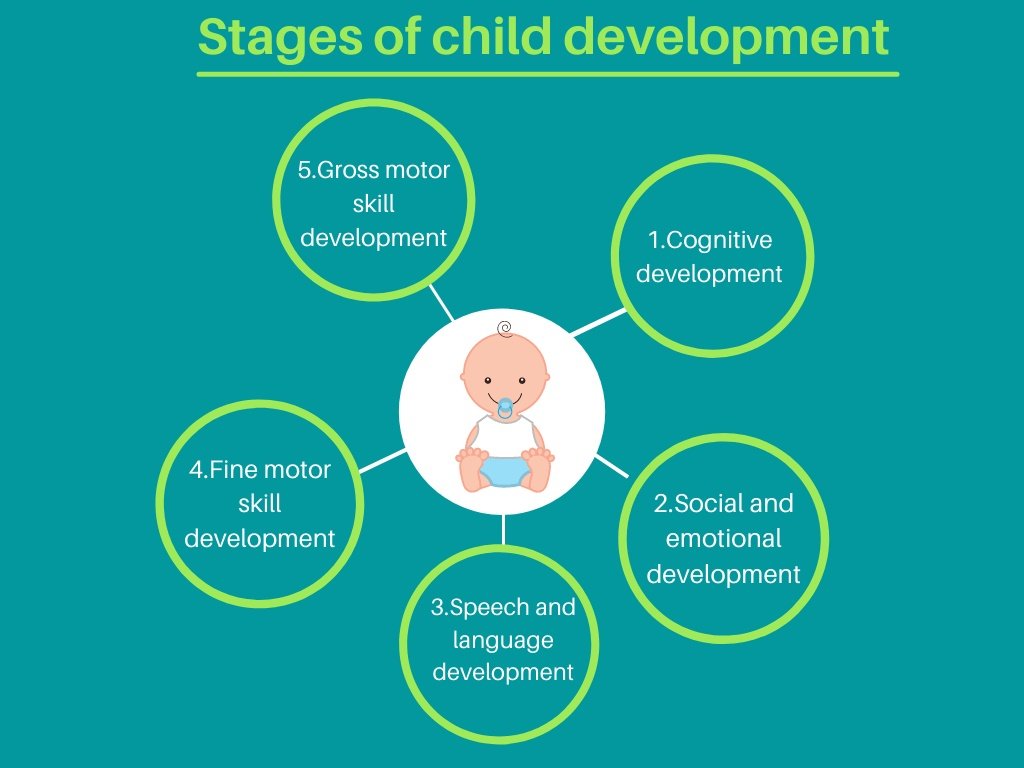
Understanding Development Stages
What should a 2-year-old be able to do? How does a 4-year-old think? You’ll learn what’s typical which helps reduce unnecessary worry and helps you notice when a child may need extra support.
Building Caring, Trusting Relationships
Kids learn best when they feel connected. Training shows simple ways to communicate with young children like using a calm tone, getting down to their eye level, or helping them label their feelings.
Guiding Behavior With Patience
Young children aren’t “bad.” They’re learning. Instead of yelling or punishing, you’ll learn strategies that teach better behavior over time. It makes day-to-day life so much easier.
Supporting Language and Thinking Skills
Talking, reading, play, and everyday routines can help children build language and problem-solving skills. Training helps you use normal activities in a way that boosts learning naturally.
Knowing When to Get Extra Help
You’ll learn what signs to watch for if a child isn’t meeting typical milestones and how to support them kindly if extra help is needed.
Who Should Consider This Training?
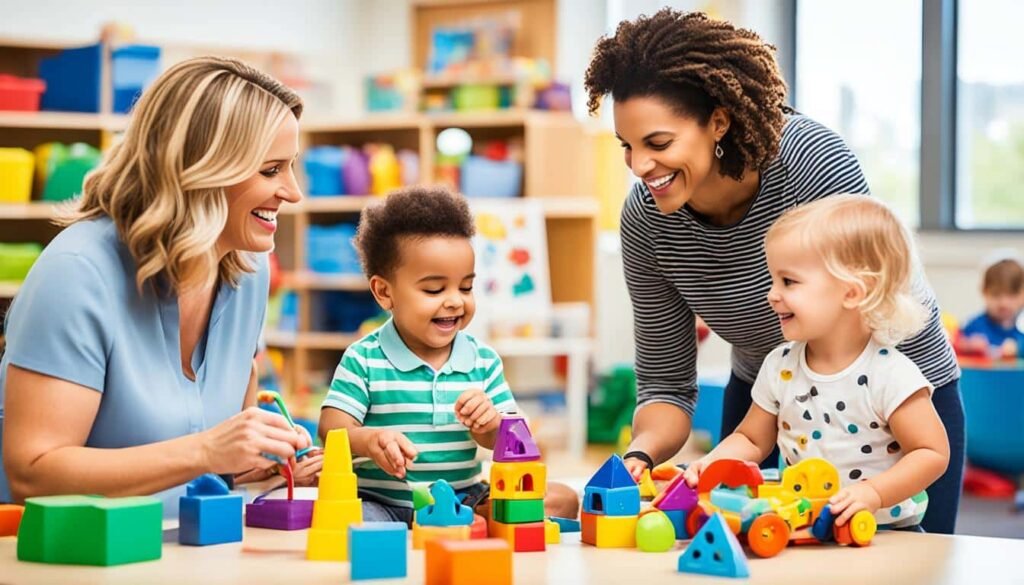
Anyone caring for young children:
- Parents who want to understand their child better.
- Childcare workers who need skills to support kids all day.
- Preschool teachers building classroom routines and learning environments.
- Grandparents and family members who want to stay updated (because parenting methods have changed a lot).
Types of Training Programs
Choose what fits your time and goals:
Online Courses
Flexible, learn at your pace. Some are free, some lead to certificates.
Workshops
Short, hands-on sessions where you practice skills and ask questions.
Certificate Programs
More formal and often needed for professional childcare roles.
College Degrees
For those building a long-term career in early childhood education.
How to Pick a Good Training Program
Look for programs that include:
- Real examples you can use right away
- Updated child development research
- Respect for different cultures and family styles
- Opportunities to practice skills
Getting Started
- Decide why you want the training (personal growth or job requirement).
- Search for programs and read reviews.
- Check costs, time, and if your workplace offers reimbursement.
- Start using what you learn right away and small daily practice makes the learning stick.
Common Myths
“It’s only for teachers.” Nope parents benefit just as much.
“It’s just common sense.” Some parts feel familiar, but a lot of it is backed by child development science.
“One course is enough.” Kids are always changing. Staying curious helps you keep growing too.
Real Benefits You’ll Notice
- You’ll feel more confident with children.
- Kids will feel more understood and supported.
- Daily life becomes less stressful.
- Your connection with the child strengthens which makes everything else easier.

Final Thoughts
The early years lay the groundwork for everything that comes later. When you understand how young children develop, you’re better able to guide, support, and enjoy them.
Whether you’re a parent, caregiver, or educator, early years child development training is a gift not just for the child, but for you too.
If you’ve been considering it, this is a great time to begin. The knowledge stays with you for life, and the kids in your care will feel the difference.
Frequently Asked Questions
1. Do parents really need child development training?
Not required, but it helps a lot. Many parents feel more confident and less stressed once they understand why their child behaves a certain way and how to respond calmly.
2. How long does early years child development training take?
Courses vary. Some take 1–2 hours, while professional programs can take several weeks. It depends on your goal.
3. Can I learn child development skills at home?
Yes. Many trusted programs offer online training. You can learn at your own pace, even during nap times or evenings.
4. Is this training helpful for grandparents too?
Absolutely. Parenting styles have changed over the years, so this training helps everyone stay on the same page.5. What age group does this training focus on?
Usually from birth to age 5 or 6 — the years when the brain is growing the fastest.




- Be Respectful
- Stay Relevant
- Stay Positive
- True Feedback
- Encourage Discussion
- Avoid Spamming
- No Fake News
- Don't Copy-Paste
- No Personal Attacks
- Be Respectful
- Stay Relevant
- Stay Positive
- True Feedback
- Encourage Discussion
- Avoid Spamming
- No Fake News
- Don't Copy-Paste
- No Personal Attacks
