Is Gentle Parenting Dead? Why the ‘FAFO Parenting’ Trend is Taking Over
Published: 26 Mar 2026
If you’ve spent even ten minutes on parenting TikTok or Instagram lately, you’ve probably seen people throwing around the term FAFO parenting.
Usually, it shows up in videos of kids ignoring warnings, pushing limits, or experiencing the natural result of a bad choice, followed by a parent basically saying: you were told, you didn’t listen, now you found out.
And honestly? A lot of tired parents are nodding along.
Why? Because many moms and dads feel deeply frustrated with what “gentle parenting” has become online. Not true gentle parenting, but the watered-down version of it. The one that makes parents feel like they have to endlessly explain, never say no too firmly, and somehow stay calm through behavior that is exhausting, unsafe, or wildly disrespectful.
So is gentle parenting over?
Not exactly.
What’s really happening is that parents are reacting to permissive parenting dressed up as gentle parenting, and FAFO parenting has become the internet’s blunt answer to that frustration.
Let’s unpack what FAFO parenting actually is, why it feels so appealing right now, where it can go wrong, and what a healthier middle ground looks like.
What is FAFO parenting?
FAFO parenting is a social-media term built around the phrase “f around and find out.” In parenting conversations, it usually means allowing children to experience the consequences of their choices instead of rescuing, over-explaining, or repeating the same warning over and over.
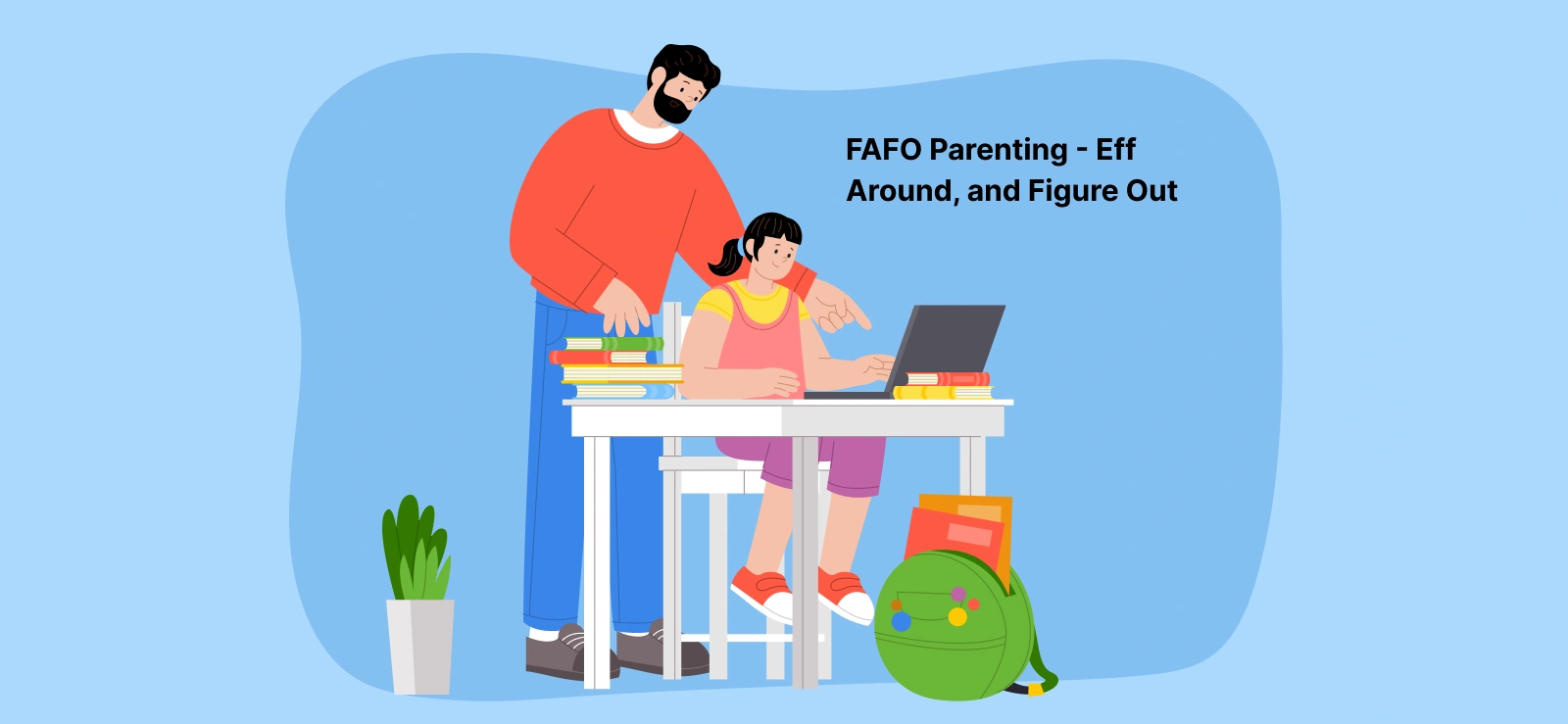
In its mildest form, it can look like this:
- A child refuses to bring a coat after being warned it’s cold, then feels cold outside
- A teen spends all their allowance immediately, then has no money for the weekend
- A kid throws a toy after being told not to, and the toy is removed
In these cases, the parent is not lecturing endlessly or shielding the child from reality. The lesson comes from the consequence.
That part is not new. Parenting experts have talked for years about the value of natural consequences and logical consequences.
What is new is the tone.
FAFO parenting often carries a vibe of parental exhaustion, sarcasm, or emotional detachment. It can sound like, “I warned you. Not my problem now.”
And that’s where people split. Some hear “finally, a parent with boundaries.” Others hear “this is just harsh parenting with a trendy label.”
Both reactions make sense.
Why is FAFO parenting trending right now?
The trend is growing because many parents feel trapped between two bad options:
- Be endlessly patient and feel walked all over
- Become harsh and authoritarian just to regain control
FAFO parenting looks, on the surface, like a third option. It promises:
- Less over-explaining
- More accountability
- Clearer boundaries
- Less emotional labor for parents
- More resilience for kids
For burned-out parents, that can feel like oxygen.
Have you ever felt like modern parenting advice asks you to be a therapist, conflict mediator, nervous system coach, and snack provider all before 8 a.m.? That’s part of why this trend is landing so hard.
A lot of parents are not rejecting warmth. They’re rejecting confusion. They’re tired of being told that every firm limit is harmful and every unpleasant emotion must be prevented.
Kids need empathy, yes. But they also need limits, frustration tolerance, and real feedback from the world.
Is gentle parenting actually over?
No. But the cultural obsession with misunderstood gentle parenting may be.
True gentle parenting was never supposed to mean:
- No consequences
- No boundaries
- No authority
- No frustration for kids
- No discomfort, ever
At its best, gentle parenting means being calm, respectful, and connected while still holding firm limits.
That’s very different from permissive parenting.
This matters because a lot of parents say gentle parenting “doesn’t work” when what they really tried was something closer to:
- asking instead of leading
- negotiating every boundary
- over-validating without acting
- avoiding consequences
- fearing their child’s upset
That approach usually backfires. Kids do not feel safer when adults seem unsure. They feel safer when adults are warm and solid.
So no, gentle parenting is not dead. But the fantasy version of it, where you can avoid conflict and still raise respectful, emotionally healthy kids, is getting exposed.
FAFO parenting vs gentle parenting: what’s the real difference?
The biggest difference is not consequences. Both approaches can include consequences.
The real difference is how the adult uses power, connection, and responsibility.
Gentle parenting says:
- I will stay regulated
- I will treat you with respect
- I will hold the limit
- I will help you learn
FAFO parenting says, at least online:
- I gave the warning
- The consequence is yours now
- I am not over-functioning for you
- You learn by experiencing the result
Sometimes those are compatible. Sometimes they are not.
A healthy version of FAFO parenting might simply be:
“I’m not rescuing you from every avoidable consequence.”
An unhealthy version can become:
“Your struggle no longer matters to me.”
That difference is everything.
Also Read: Why “Quality Time” is More Important Than “Quantity Time”
The borrowed expertise: what child development experts actually say
If we want to make sense of this trend, it helps to lean on experts who have spent decades studying how children grow.
Dr. Diana Baumrind: kids do best with warmth and structure
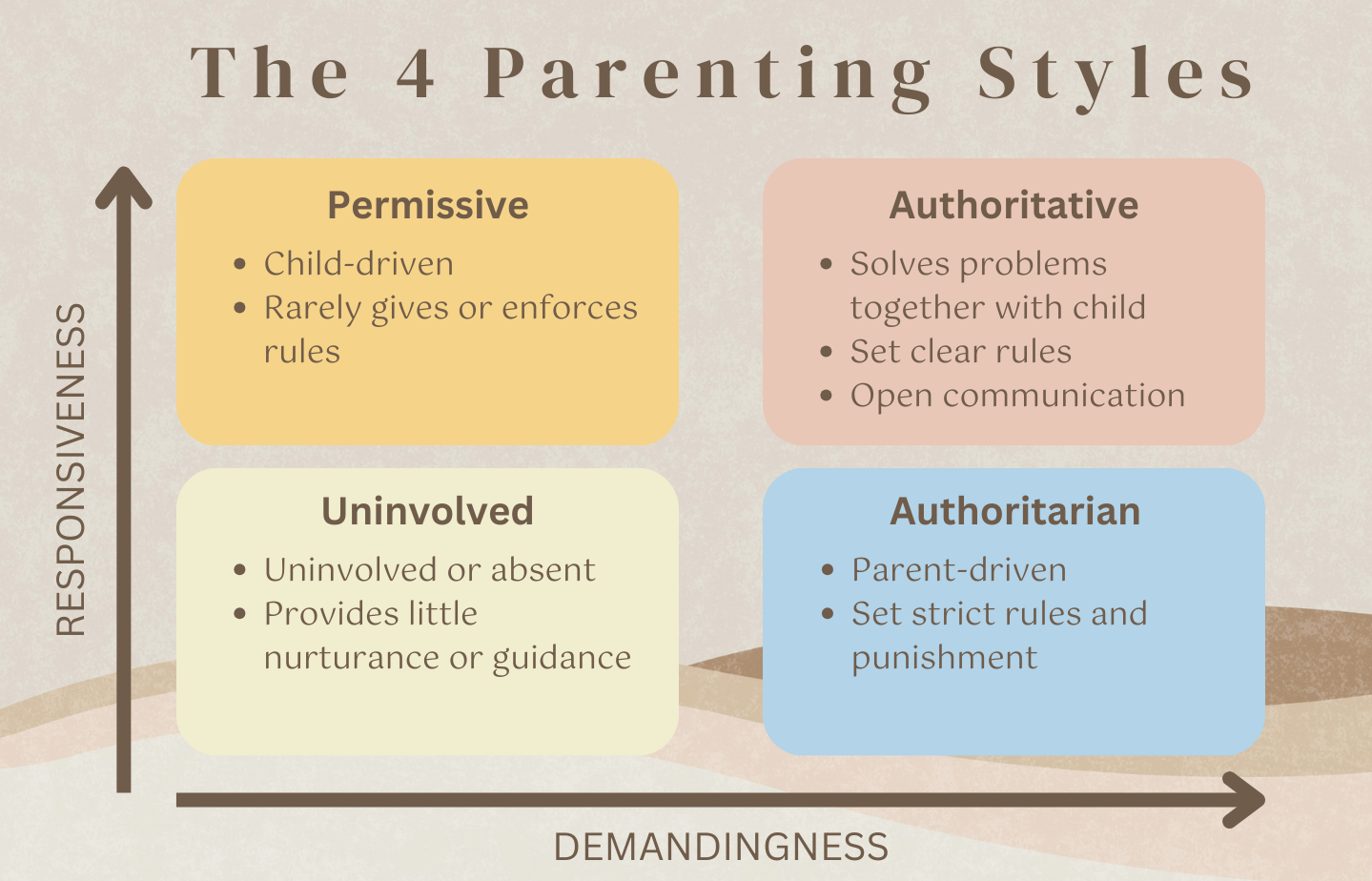
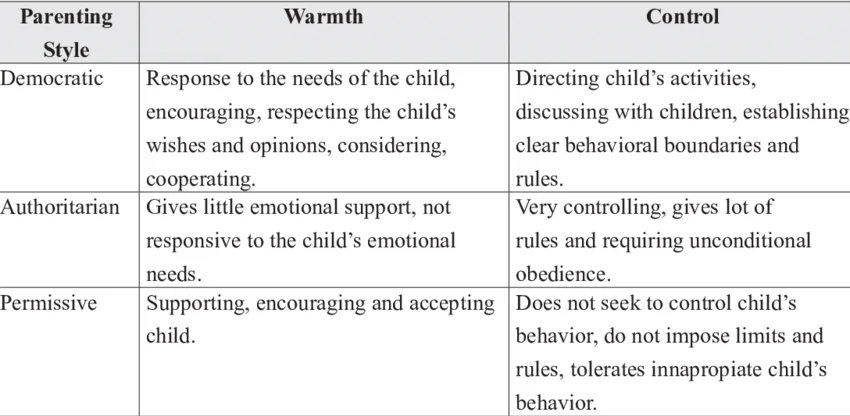
Developmental psychologist Dr. Diana Baumrind is one of the most important names in parenting research. Her work on parenting styles helped define the difference between:
- Authoritarian parenting: high control, low warmth
- Permissive parenting: high warmth, low structure
- Authoritative parenting: high warmth, high structure
Again and again, research has found that authoritative parenting tends to be linked with the best outcomes for children, including better emotional regulation, social competence, and independence.
That’s useful here because FAFO parenting can slide in two directions:
- toward healthy, authoritative structure
- or toward authoritarian coldness
The sweet spot is not “soft” parenting or “tough” parenting. It’s warm, confident leadership.
Dr. Ross Greene: kids do well if they can
Psychologist Dr. Ross Greene, known for The Explosive Child, offers a powerful idea:
“Kids do well if they can.”
His point is not that children should avoid consequences forever. It’s that chronic misbehavior often reflects lagging skills, not just bad attitudes. Skills like frustration tolerance, flexibility, problem-solving, impulse control, and emotional regulation all develop over time.
This matters because FAFO parenting can be useful for ordinary poor choices, but much less useful when a child truly lacks the skills to succeed in that moment.
For example:
- A teen who wastes spending money may need to feel that consequence
- A preschooler melting down in a grocery store may not be “manipulating” you
- A neurodivergent child may need support, not a sink-or-swim lesson
So the question is not just, “Should there be consequences?”
It’s also, “Is this child capable of doing better right now without more support?”
That is a much smarter parenting question.
Where FAFO parenting can actually help
There are parts of this trend that many parents may benefit from, especially if they have drifted into over-explaining or rescuing.
1. It reminds parents that consequences matter
Children learn from cause and effect. If every bad choice gets softened, erased, or negotiated away, the lesson gets blurry.
2. It pushes back against over-parenting
Sometimes the kindest thing is stepping back. Not every forgotten homework assignment, social mistake, or poor spending decision needs a parent to fix it.
3. It encourages firmer boundaries
Kids need adults who mean what they say. Repeated empty warnings teach children not to take limits seriously.
4. It helps build resilience
Mild discomfort is not damaging. Waiting, losing, regretting, and dealing with results are all part of growing up.
That said, these benefits only show up when the parent stays grounded, fair, and connected.
Where FAFO parenting can go wrong
This trend gets risky when it becomes an excuse for emotional withdrawal, humiliation, or laziness in the name of “teaching a lesson.”
1. It can become punitive
If the parent is secretly enjoying the child’s distress, that’s a red flag.
2. It can ignore developmental reality
A toddler, highly sensitive child, or struggling teen may need co-regulation and coaching, not just consequences.
3. It can damage trust if overused
Kids should know that parents are not doormats, but they should also know: “When I mess up, you are still on my side.”
That sense of safety matters deeply. If you want to go deeper on this, your article on what is secure attachment would be a natural companion here. Children thrive when limits exist inside a relationship of trust.
4. It can confuse natural consequences with avoidable harm
Letting a child be disappointed is one thing. Letting them be unsafe is another. Parents still have a job to protect.
The better middle ground: firm, connected parenting
If FAFO parenting speaks to you, there may be something valuable underneath that reaction.
Maybe you do need:
- fewer speeches
- stronger follow-through
- less rescuing
- more confidence
But you do not have to become cold to become effective.
A healthier approach sounds more like this:
- “I hear that you’re upset.”
- “The limit is still the limit.”
- “I won’t shame you.”
- “I’m also not removing every consequence.”
That is not weak. That is leadership.
Read More: The Lifelong Benefits of a Strong Parent-Child Bond
You can let your child feel the result of a choice while staying emotionally available. In fact, that’s often the most powerful combination.
For parents who feel guilty after losing their cool, your post Yelled at Your Kids? How to Repair & Reconnect would fit beautifully here too. Because none of us handle every moment perfectly. Repair matters.
So, is FAFO parenting right for your family?
It depends on what you mean by it.
If by FAFO parenting you mean:
- clear boundaries
- natural consequences
- less over-rescuing
- more accountability
Then yes, parts of it may be helpful.
If by FAFO parenting you mean:
- emotional detachment
- mocking kids for struggling
- confusing fear with respect
- abandoning connection in the name of toughness
Then no, that’s not a healthy correction. That’s just another extreme.
Most families do best somewhere in the middle. Kids need both empathy and accountability. They need space to make mistakes, and they need adults who stay present while they learn.
That middle ground may not go viral, but it works.
What to do if gentle parenting has left you exhausted
If you’ve been trying so hard to stay patient that you’ve stopped being clear, here are a few resets:
Say less
You do not need a five-minute explanation for every limit.
Mean your no
If a boundary matters, follow through the first time.
Let small consequences teach
Forgotten items, lost privileges, and mild disappointment can be great teachers.
Stay warm, not wobbly
Calm does not mean passive.
Look for skills, not just defiance
Ask yourself: is my child unwilling, or unable, in this moment?
That one question can change everything.
Common Questions
Is FAFO parenting just authoritarian parenting with a new name?
Not always. In some families, it simply means allowing natural consequences and stopping over-rescuing. But if it becomes cold, shaming, or overly punitive, then yes, it starts to look a lot like authoritarian parenting.
Is gentle parenting too soft?
True gentle parenting is not soft. It includes firm boundaries, emotional regulation, and respectful leadership. The problem is that many people confuse it with permissiveness.
Are natural consequences always the best teacher?
No. Natural consequences can be powerful, but they are not always safe, appropriate, or developmentally useful. Sometimes children need coaching, support, or logical consequences instead.
Can you use FAFO parenting with toddlers?
Very carefully. Toddlers are still developing impulse control and emotional regulation. They need simple limits, repetition, and co-regulation more than a “you made your bed, now lie in it” approach.
What if my child is highly sensitive or neurodivergent?
Then a one-size-fits-all trend is even less helpful. These children often need more support, predictability, and skill-building. Consequences still matter, but they need to be thoughtful and fair.
How do I know if I’m being firm or just fed up?
A helpful test is this: are you trying to teach, or are you trying to punish? Firm parenting protects the relationship while holding the line. Fed-up parenting often sounds harder and feels more disconnected.
Final Thoughts
FAFO parenting is trending because it taps into something real: parents are tired, kids need limits, and permissive parenting is not working.

But the answer is not to swing from anxious over-accommodation to emotional hardness.
The best parenting usually looks less dramatic than the internet makes it seem. It is steady. Clear. Warm. Boundaried. Imperfect. Human.
So no, gentle parenting is not dead. But the version that forgot about authority probably should be.
If this whole conversation has left you wondering how to hold boundaries without losing closeness, that’s the real work. And honestly, that’s where the good stuff is.






- Be Respectful
- Stay Relevant
- Stay Positive
- True Feedback
- Encourage Discussion
- Avoid Spamming
- No Fake News
- Don't Copy-Paste
- No Personal Attacks
- Be Respectful
- Stay Relevant
- Stay Positive
- True Feedback
- Encourage Discussion
- Avoid Spamming
- No Fake News
- Don't Copy-Paste
- No Personal Attacks
